Apartment fit
A Eurasier can fit apartment life when walks, grooming, and companionship are consistent. It is usually quieter than many spitz breeds, but it still needs social contact and routine.
 Germany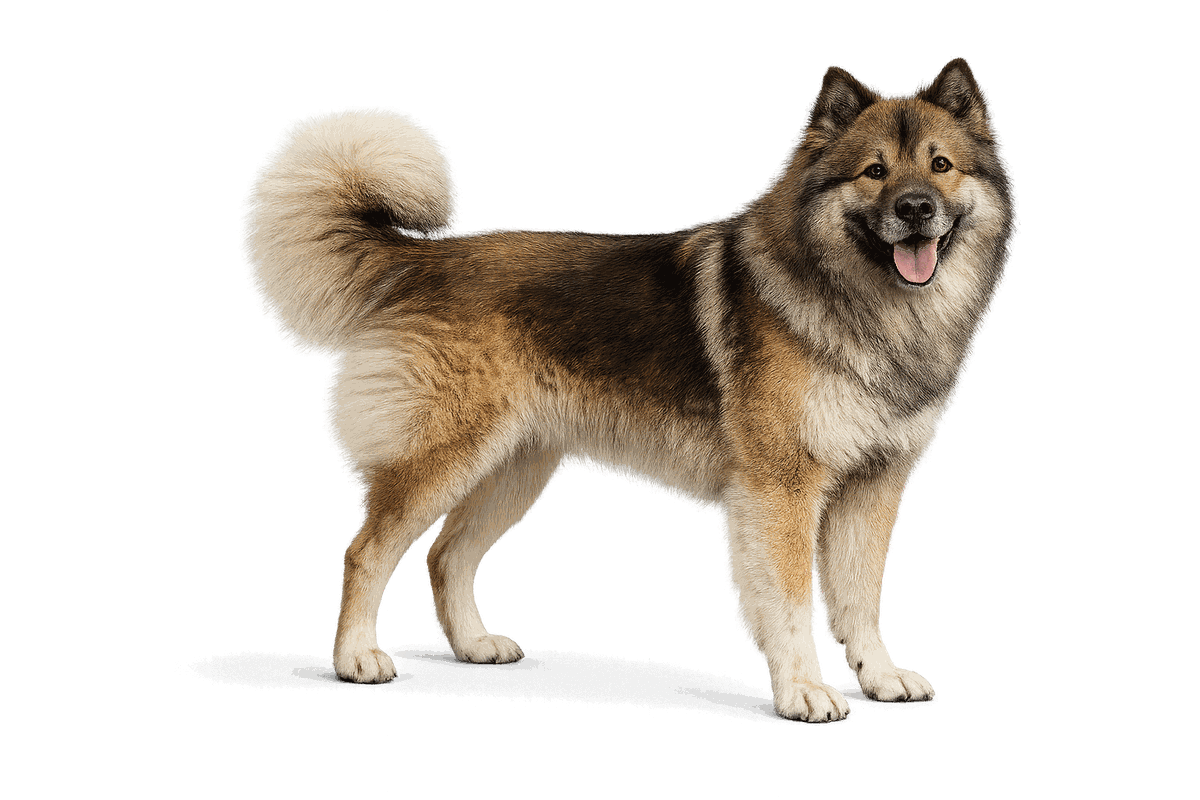
Weight
40-70 lb
Height
19-24 in
Lifespan
12-16 yrs
Coat
Double Medium
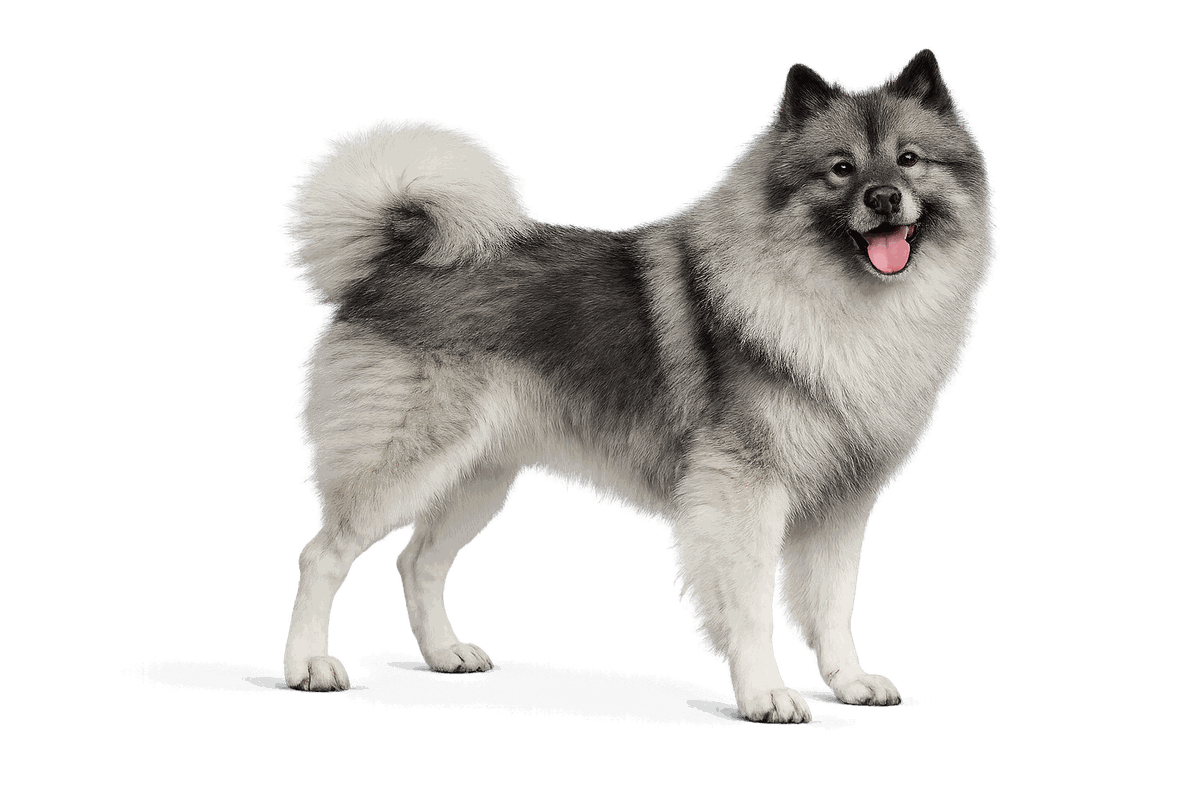
The Eurasier is a medium German spitz companion breed, calm and family-oriented, with a dense double coat and reserved but steady temperament.
Official, native, and commonly used variants
Weight
40-70 lb
Height
19-24 in
Lifespan
12-16 yrs
Coat
Double Medium
At A Glance
A quick read on energy, upkeep, and what day-to-day life with this breed usually feels like.
Energy
Moderate
Barking
Low
Drooling
Low
Shedding
Moderate
Grooming
3/5
First-time owner
Yes
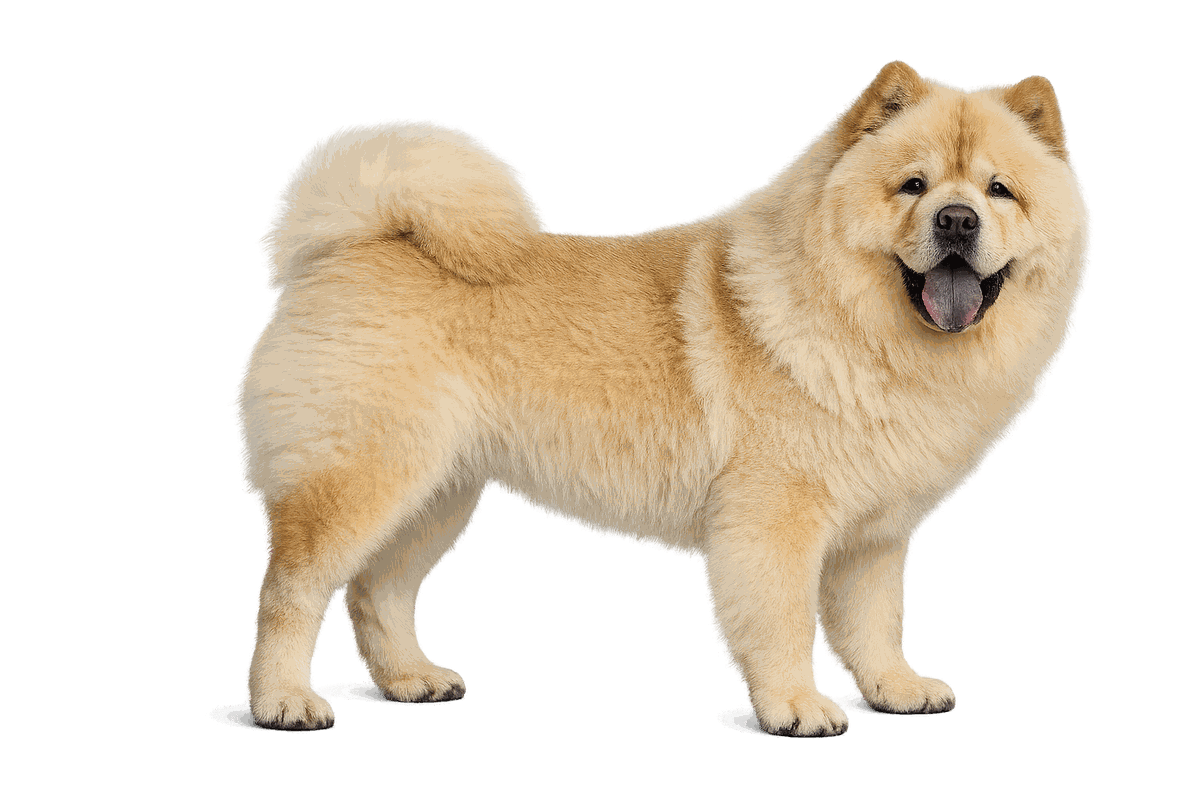
The Eurasier is a modern German spitz breed developed from Chow Chow, Wolfspitz, and later Samoyed ancestry to create a balanced companion dog. It is not a working sled dog or guard breed first; its strongest role is usually close family companionship. A good Eurasier is calm, self-assured, affectionate with its people, and reserved rather than pushy with strangers.
The breed has a dense double coat and comes in many colors, with the FCI standard excluding pure white, white patches, and liver. It sheds seasonally and needs regular brushing, especially when the undercoat comes loose. Eurasiers often dislike being left out of family life, so they are a poor fit for owners who want a dog to live mostly outside or alone.
Training should be gentle and consistent. Eurasiers can learn well, but many are sensitive and may shut down under harsh handling. Health-focused breeders screen for hips, patellas, eyes, thyroid disease, and related issues before breeding.
This breed tends to suit homes looking for a calm, family-oriented, reserved companion, with daily rhythms shaped by moderate energy, low barking, and low drooling.
Coat type
Double
Coat length
Medium
Shedding
Moderate
Colors
Black, Red, Fawn, Wolf Gray, Sable, Black and Tan
A Eurasier can fit apartment life when walks, grooming, and companionship are consistent. It is usually quieter than many spitz breeds, but it still needs social contact and routine.
Eurasiers are often watchful rather than noisy. They may alert to visitors but should not be encouraged to become suspicious or isolated from normal household activity.
Use kind, consistent, reward-based training. The breed often responds best when trust is strong and lessons are practical, calm, and not repetitive to the point of frustration.
Brush weekly and more often during coat blows. Do not shave the double coat; remove loose undercoat and keep skin, ears, nails, and teeth on a regular care schedule.
Most Eurasiers need steady daily walks, relaxed play, and light training or enrichment. They are usually moderate rather than extreme, but they still need a predictable routine and time with their family.
Brush the double coat weekly and more often during seasonal shedding. The coat should not be shaved; instead, keep the undercoat free of loose hair and check ears, nails, teeth, and skin.
Use gentle, reward-based training and avoid heavy pressure. Socialization should build confidence around guests, handling, dogs, and city noise while respecting the breed's natural reserve.
Feed measured portions for a medium spitz breed and monitor weight under the dense coat. Adjust food for age, activity, and body condition.
Energy level
Moderate
Barking level
Low
Drooling level
Low
Watchdog ability
3/5
Guard dog ability
1/5
Climate tolerance
Common concerns to discuss with your vet and breeder.
This profile was researched from established breed and canine-care references. Breed tendencies describe typical patterns, not a guarantee for every individual dog.
Reviewed by the Dogs Index Editorial Team. For health or behavior concerns, consult a veterinarian or appropriately qualified professional.
Our Shop
Browse practical products for feeding, grooming, cleanup, enrichment, and smoother daily routines.