Apartment fit
Apartment life is possible only with enough exercise, grooming, and socialization. A home with secure outdoor access is easier.
 Japan
Japan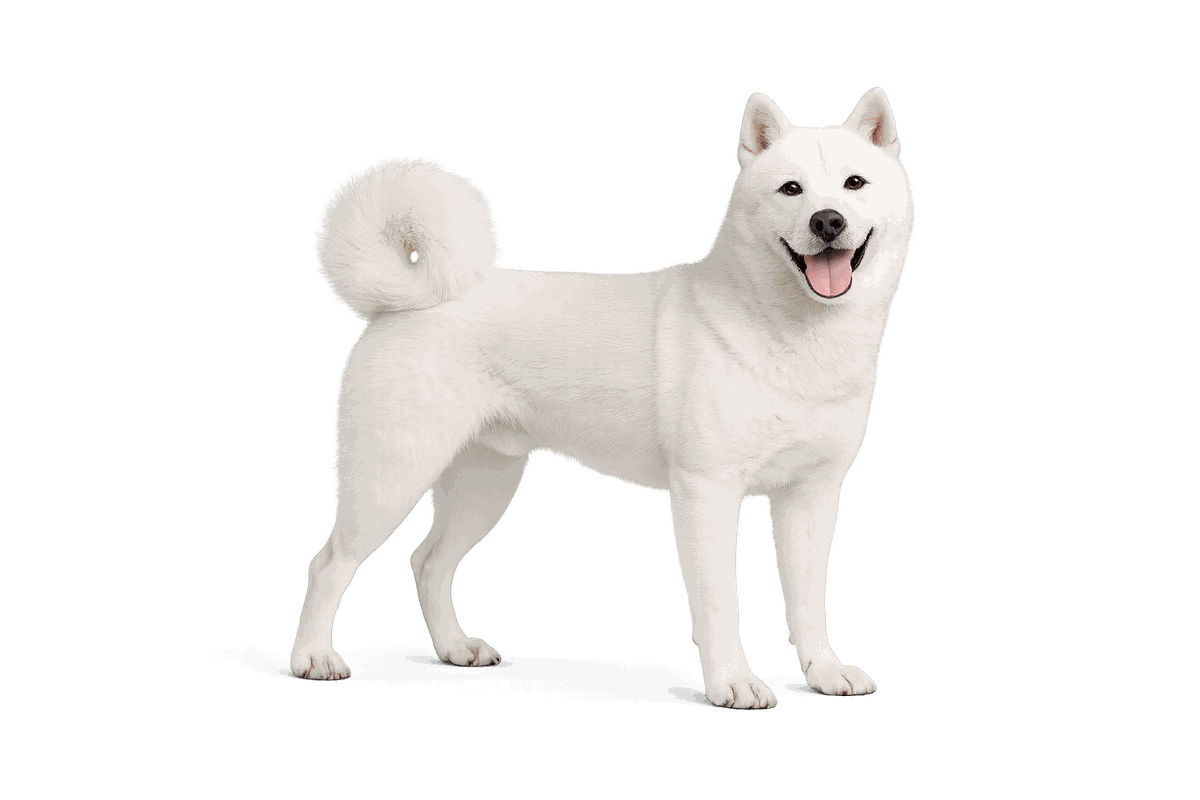
Weight
44-66 lb
Height
17.9-20.3 in
Lifespan
12-15 yrs
Coat
Double Medium
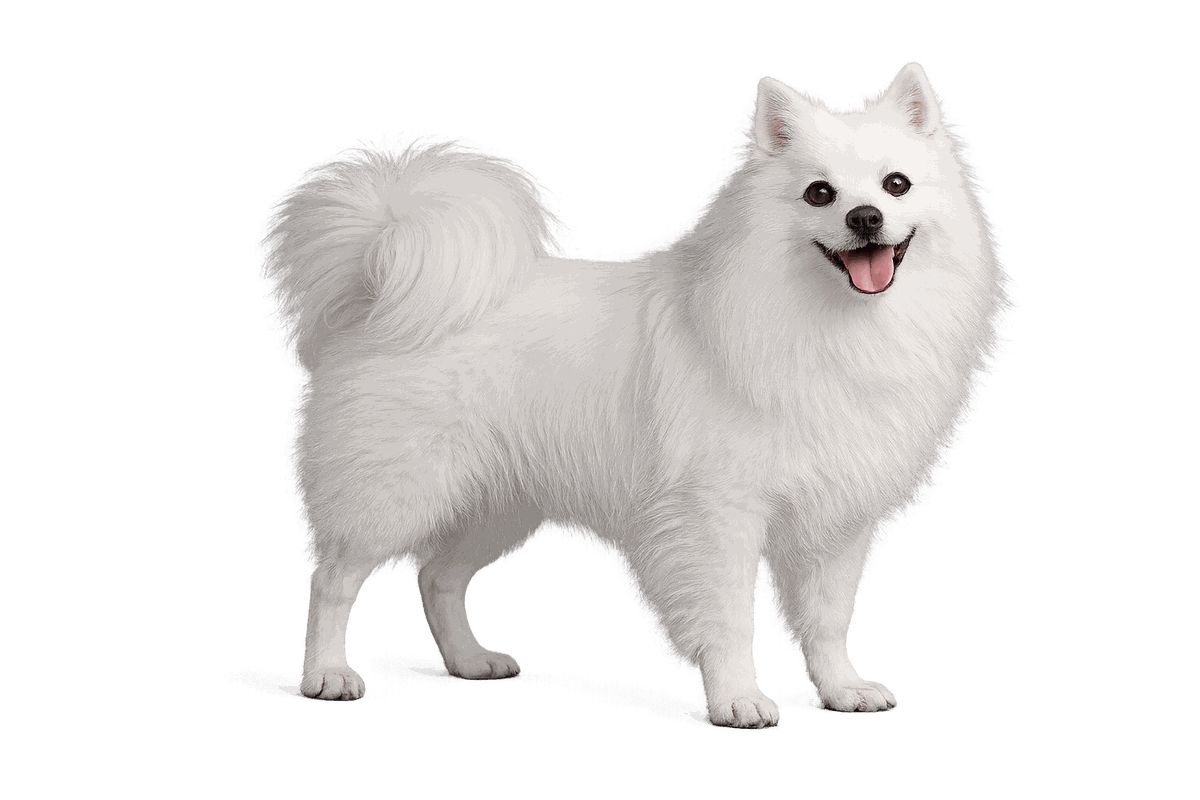
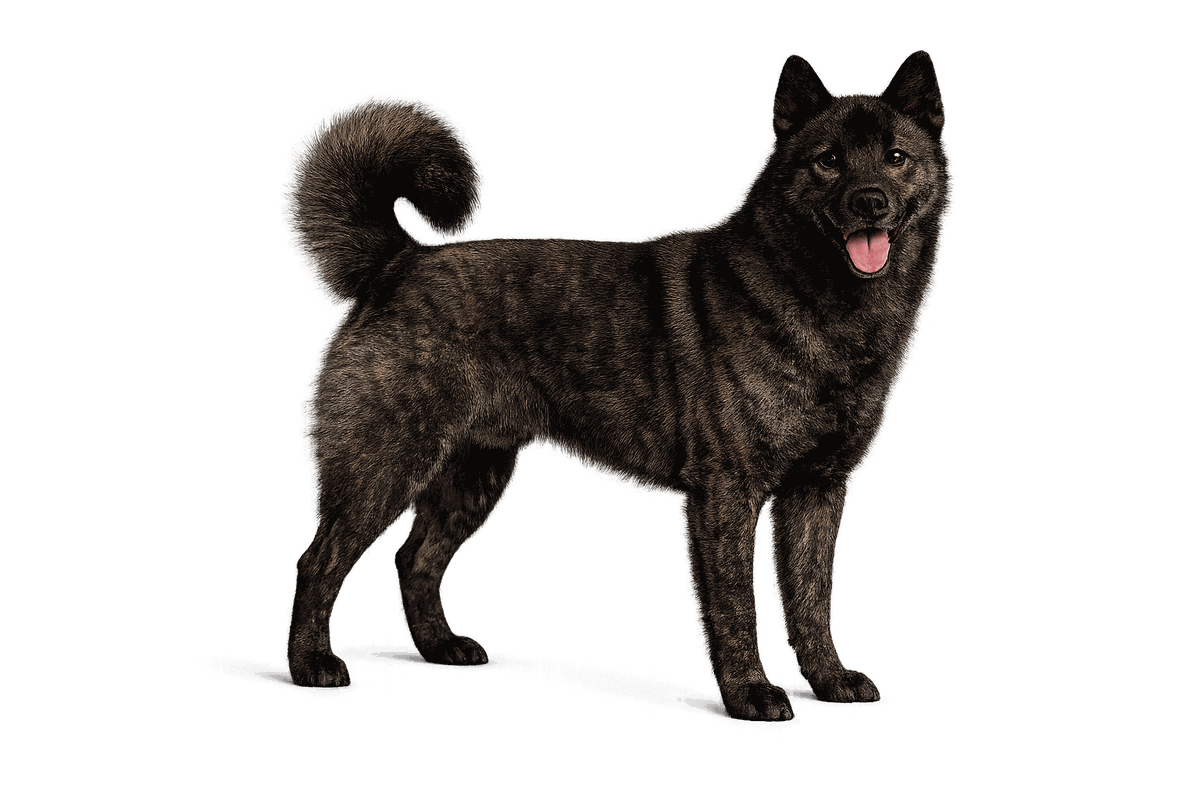
The Hokkaido is a medium Japanese spitz-type hunting dog, faithful and bold, with a dense double coat and strong instincts.
Official, native, and commonly used variants
Weight
44-66 lb
Height
17.9-20.3 in
Lifespan
12-15 yrs
Coat
Double Medium
At A Glance
A quick read on energy, upkeep, and what day-to-day life with this breed usually feels like.
Energy
High
Barking
Moderate
Drooling
Low
Shedding
High
Grooming
3/5
First-time owner
No
The Hokkaido is one of Japan's native spitz-type breeds and is associated with the Ainu people and the northern island of Hokkaido. It was used for hunting in rugged conditions, including large game, and is known for endurance, alertness, and loyalty.
This breed is faithful and responsive to its family but can be bold, intense, and reserved with strangers. It needs more structure than many casual companion dogs: early socialization, secure containment, prey-drive management, and daily exercise that includes training or outdoor work.
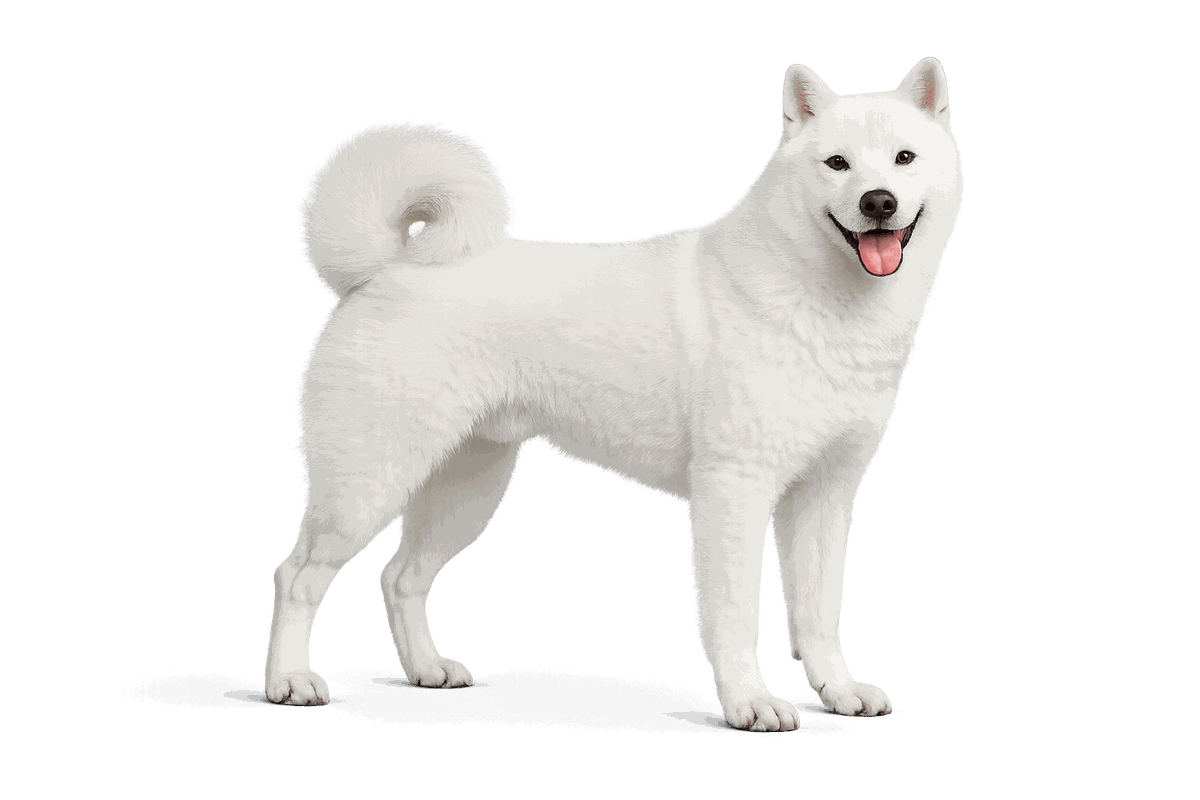
The dense double coat handles cold well and sheds heavily during coat changes. Standard colors include sesame, brindle, red, black, black and tan, and white. Health planning should include hips, patellas, eyes, and Collie eye anomaly screening because CEA has been documented in the breed.
This breed tends to suit homes looking for a faithful, docile, alert companion, with daily rhythms shaped by high energy, moderate barking, and low drooling.
Coat type
Double
Coat length
Medium
Shedding
High
Colors
Sesame, Brindle, Red, Black, Black and Tan, White
Apartment life is possible only with enough exercise, grooming, and socialization. A home with secure outdoor access is easier.
The breed is alert and bold. Teach calm observation and controlled greetings early, especially around strangers and other dogs.
Use rewards, structure, and consistency. Hokkaido dogs can be devoted, but they also need respectful handling and real motivation.
The dense double coat needs regular brushing and heavy cleanup during shedding seasons.
The Hokkaido needs daily exercise, training, and outdoor activity. Hiking, structured play, scent games, and controlled running suit the breed better than a short walk only.
Brush the double coat weekly and much more during seasonal shedding. Check ears, nails, and skin, and provide heat management in warm weather.
Use reward-based training with early socialization and firm routines. The breed can be devoted but independent, with prey drive and stranger reserve requiring careful management.
Feed a measured medium-breed diet and keep the dog lean. Adjust calories for activity level, climate, and seasonal exercise.
Energy level
High
Barking level
Moderate
Drooling level
Low
Watchdog ability
4/5
Guard dog ability
2/5
Climate tolerance
Common concerns to discuss with your vet and breeder.
This profile was researched from established breed and canine-care references. Breed tendencies describe typical patterns, not a guarantee for every individual dog.
Reviewed by the Dogs Index Editorial Team. For health or behavior concerns, consult a veterinarian or appropriately qualified professional.
Our Shop
Browse practical products for feeding, grooming, cleanup, enrichment, and smoother daily routines.