Apartment fit
The Lancashire Heeler can suit apartments because of its size, but only if its mind and body get daily work.
 England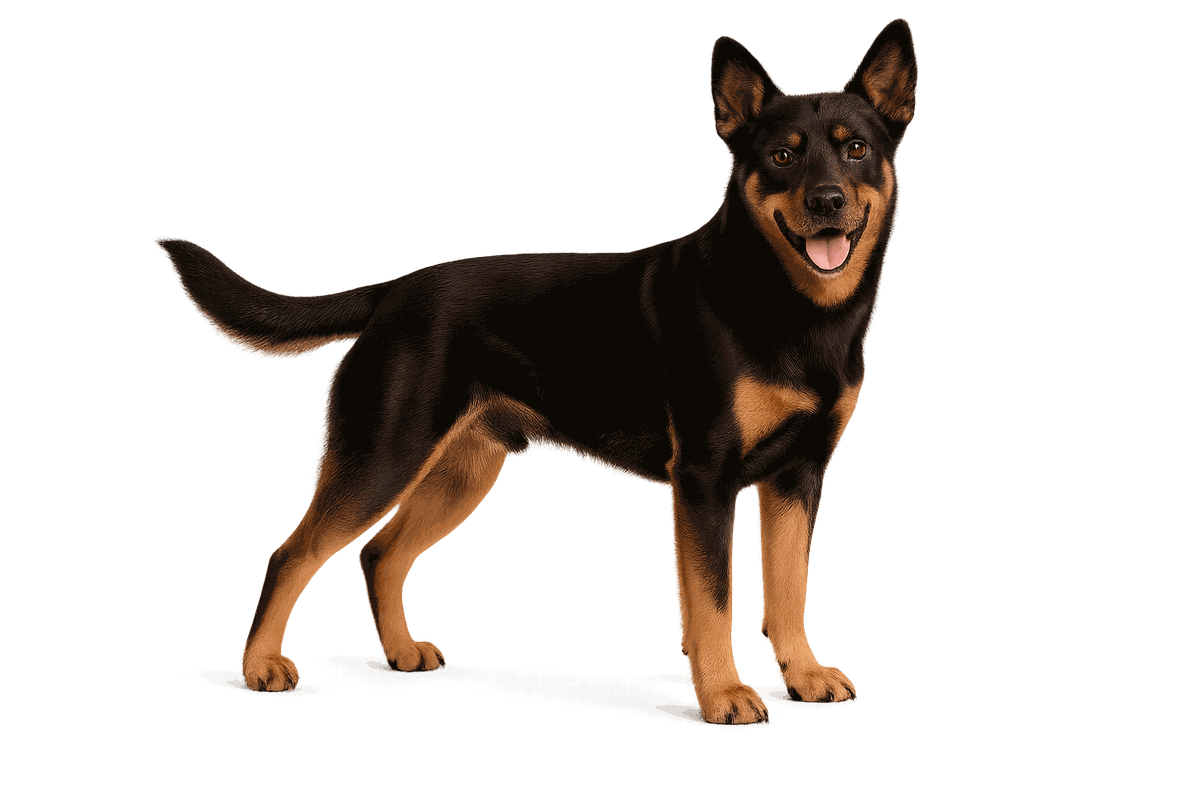
Weight
9-17 lb
Height
9.8-11.8 in
Lifespan
12-15 yrs
Coat
Double Short
The Lancashire Heeler is a small English cattle-driving and ratting dog with a short weather-resistant coat, sharp intelligence, and lively working attitude.
Official, native, and commonly used variants
Weight
9-17 lb
Height
9.8-11.8 in
Lifespan
12-15 yrs
Coat
Double Short
At A Glance
A quick read on energy, upkeep, and what day-to-day life with this breed usually feels like.
Energy
High
Barking
Moderate
Drooling
Low
Shedding
Moderate
Grooming
1/5
First-time owner
Yes
The Lancashire Heeler is a small British working breed associated with cattle heeling and ratting. FCI recognizes it in the sheepdog and cattle dog group, and AKC describes a small but sturdy, alert, energetic dog. It should never be described as large: the standard height is roughly 25 to 30 cm.
Despite its size, the Lancashire Heeler is not a passive lapdog. It is quick, clever, vocal when excited, and often ready to chase movement. It can fit apartments and small homes when owners provide exercise, training, and management of nipping or herding behavior.
The short coat is easy to maintain, but health research is important in this numerically vulnerable breed. Ask breeders about primary lens luxation, collie eye anomaly, patellas, general eye exams, and responsible breeding plans.
This breed tends to suit homes looking for a alert, energetic, intelligent companion, with daily rhythms shaped by high energy, moderate barking, and low drooling.
Coat type
Double
Coat length
Short
Shedding
Moderate
Colors
Black and tan, Liver and tan
The Lancashire Heeler can suit apartments because of its size, but only if its mind and body get daily work.
Expect an alert dog. Teach quiet cues and redirect chasing or nipping into appropriate games early.
Use short, upbeat sessions with food, toys, and movement. Practice leave-it, recall, calm greetings, and settling.
The short coat is simple: brush, trim nails, clean teeth, and check ears. Health testing matters more than coat work.
Most Lancashire Heelers need 45 to 60 minutes of daily exercise plus training games. Their small legs do not mean low drive.
The short weather-resistant coat needs light brushing, nail trims, dental care, and ear checks. Shedding is moderate and easy to manage.
Use reward-based training for recall, calm greetings, leave-it, leash manners, and control around moving feet, livestock, children, or bicycles.
Feed measured small-dog meals. Keep the dog lean to reduce stress on knees, back, and eyes.
Energy level
High
Barking level
Moderate
Drooling level
Low
Watchdog ability
4/5
Guard dog ability
1/5
Climate tolerance
Common concerns to discuss with your vet and breeder.
This profile was researched from established breed and canine-care references. Breed tendencies describe typical patterns, not a guarantee for every individual dog.
Reviewed by the Dogs Index Editorial Team. For health or behavior concerns, consult a veterinarian or appropriately qualified professional.
Our Shop
Browse practical products for feeding, grooming, cleanup, enrichment, and smoother daily routines.