Apartment fit
The Swedish Vallhund can live in an apartment if barking and exercise are managed. Its small size helps, but its working voice and drive need daily outlets.
 Sweden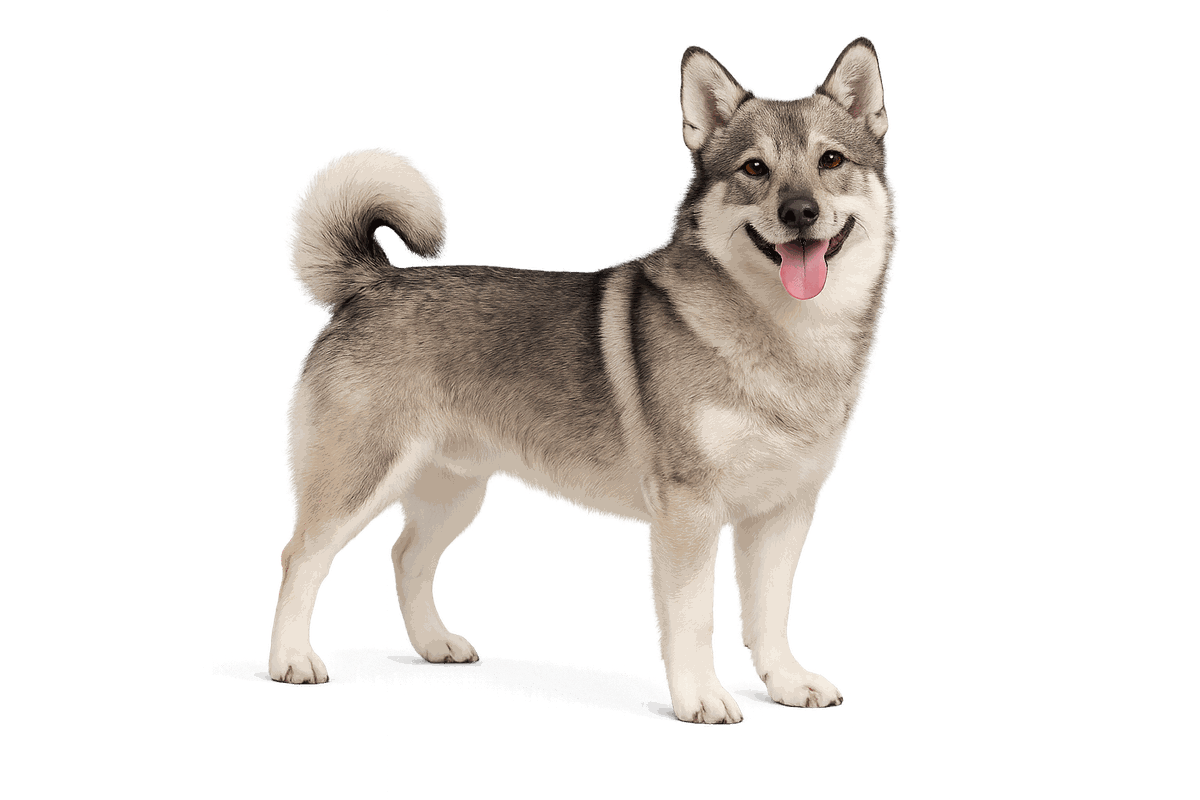
Weight
20-35 lb
Height
11.5-13.75 in
Lifespan
12-15 yrs
Coat
Double Medium
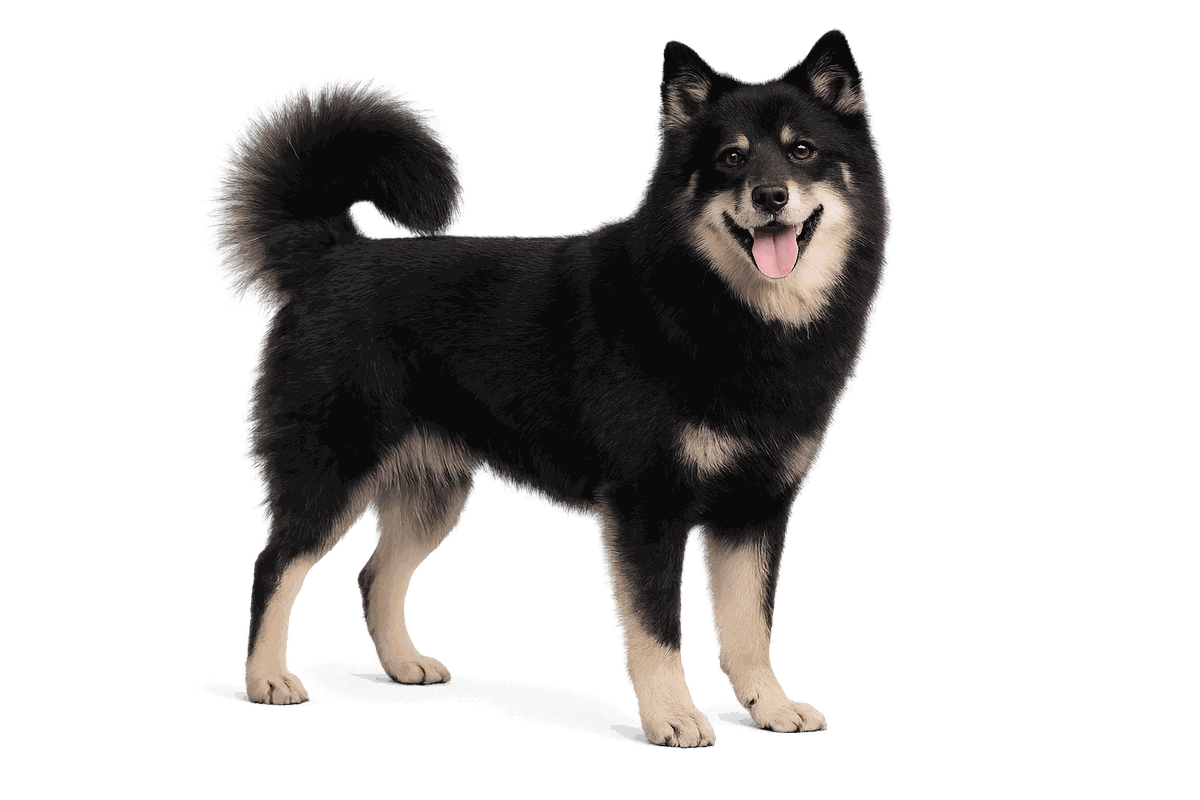
The Swedish Vallhund is a small Swedish cattle-herding spitz with a long body, short legs, wolf-gray coat, and bold working attitude.
Official, native, and commonly used variants
Weight
20-35 lb
Height
11.5-13.75 in
Lifespan
12-15 yrs
Coat
Double Medium
At A Glance
A quick read on energy, upkeep, and what day-to-day life with this breed usually feels like.
Energy
High
Barking
High
Drooling
Low
Shedding
Moderate
Grooming
2/5
First-time owner
Yes
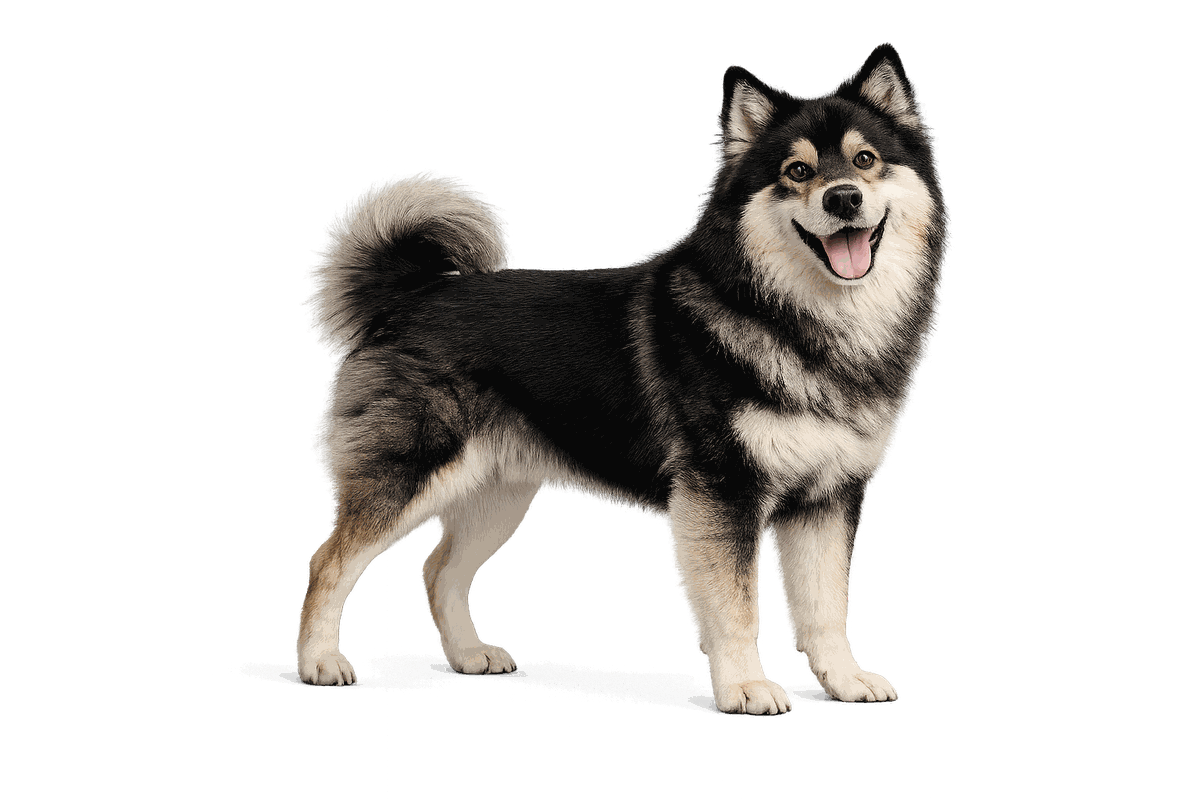
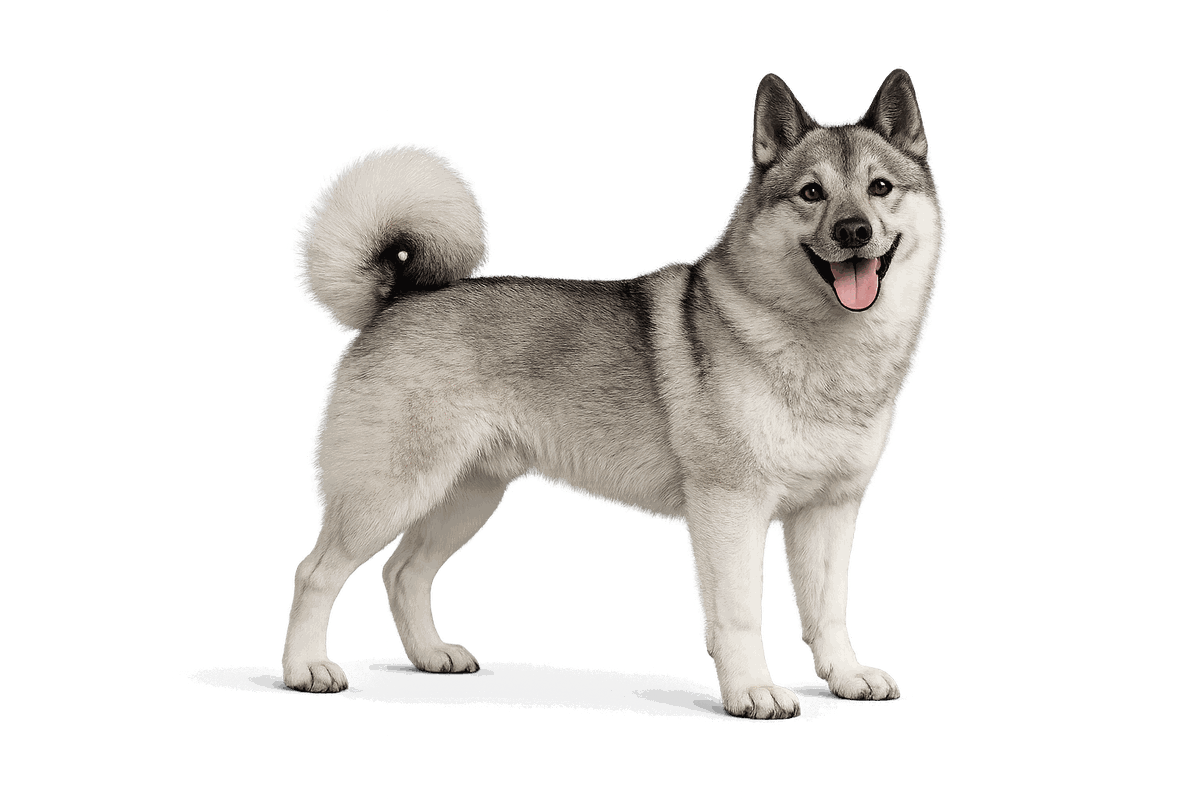
The Swedish Vallhund, or Vastgotaspets, is a small Swedish herding spitz developed for cattle work. Its short legs, long body, wedge-shaped head, pricked ears, and wolf-gray coat give it a distinctive outline, but it is still a working dog with drive, voice, and athletic confidence.
This breed is small in height, not large. It has a medium-length double coat in gray, gray-brown, gray-yellow, reddish-brown, or similar sable tones, usually with harness markings and lighter facial or body shading. Tail length varies naturally: some dogs have long tails, some bobtails, and some shorter tails.
Swedish Vallhunds are often cheerful, clever, and bold. They can fit smaller homes if owners manage barking and exercise, but they need more than casual lapdog care. Herding instincts may appear as heel-nipping, chasing, alert barking, or bossy behavior unless directed into training and games.
This breed tends to suit homes looking for a bold, cheerful, alert companion, with daily rhythms shaped by high energy, high barking, and low drooling.
Coat type
Double
Coat length
Medium
Shedding
Moderate
Colors
Gray, Gray brown, Gray yellow, Reddish brown, Sable
The Swedish Vallhund can live in an apartment if barking and exercise are managed. Its small size helps, but its working voice and drive need daily outlets.
Expect alert barking and herding-style reactions. Teach quiet cues, reward calm observation, and channel drive into games and training.
Use reward-based training with plenty of variety. Focus on barking rules, recall, leash manners, polite interactions, and safe body conditioning.
The double coat sheds moderately and needs weekly brushing, with extra brushing during seasonal shedding.
Most Swedish Vallhunds need 60 minutes or more of daily activity with walks, training, herding-style games, agility, scent work, or fetch. Their size does not remove their working drive.
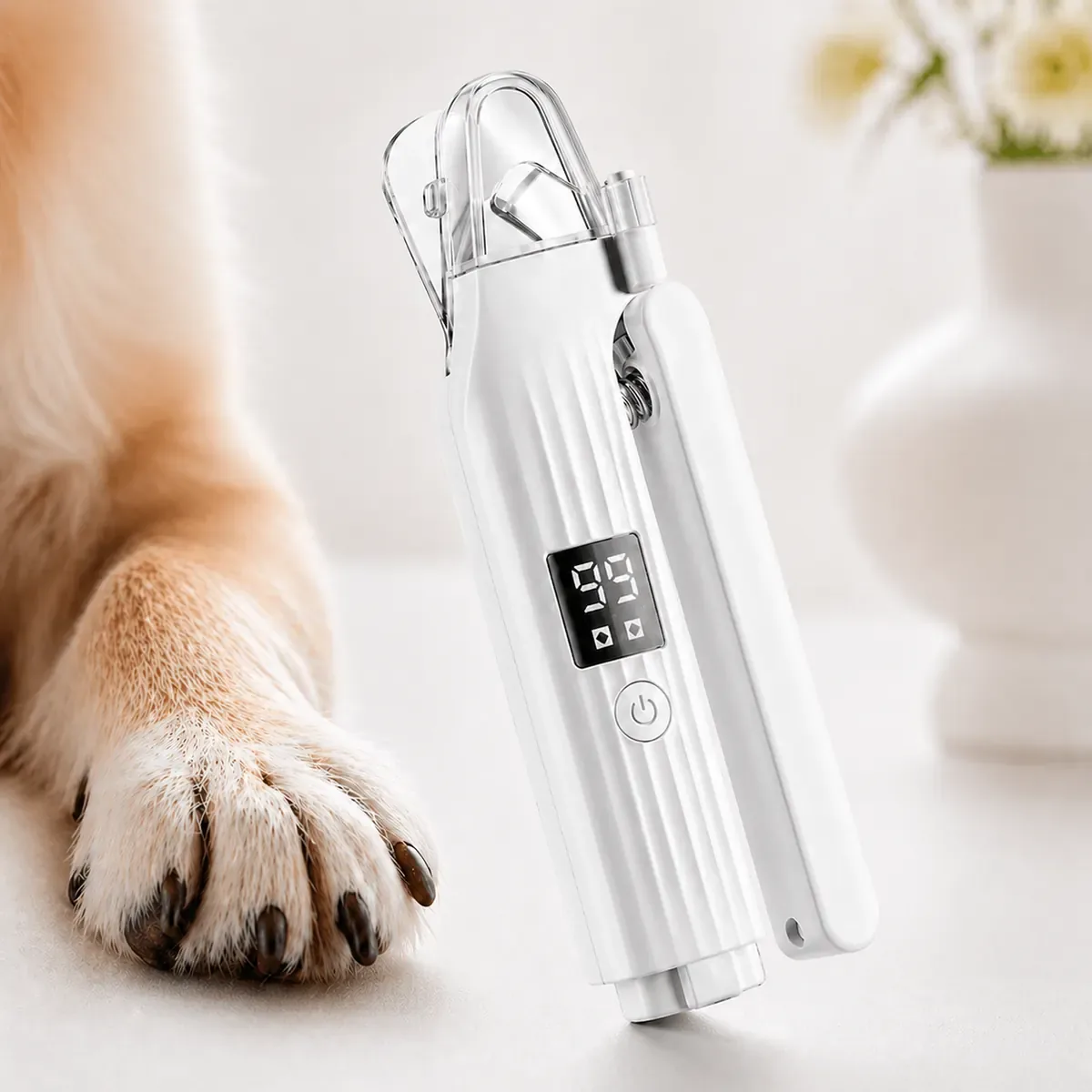
Brush weekly and more during seasonal shedding. Keep nails short because the low body structure benefits from good foot support.
Use reward-based training for barking control, recall, polite herding behavior, leash manners, and calm greetings. Smart Vallhunds need jobs and clear rules.
Feed measured meals for a small active dog. Prevent weight gain because extra pounds stress the long back and short legs.
Energy level
High
Barking level
High
Drooling level
Low
Watchdog ability
4/5
Guard dog ability
1/5
Climate tolerance
Common concerns to discuss with your vet and breeder.
This profile was researched from established breed and canine-care references. Breed tendencies describe typical patterns, not a guarantee for every individual dog.
Reviewed by the Dogs Index Editorial Team. For health or behavior concerns, consult a veterinarian or appropriately qualified professional.
Our Shop
Browse practical products for feeding, grooming, cleanup, enrichment, and smoother daily routines.