Apartment fit
Shelties can fit apartments when owners manage barking and provide daily exercise. Hallway noise and window triggers should be part of the training plan.
 Scotland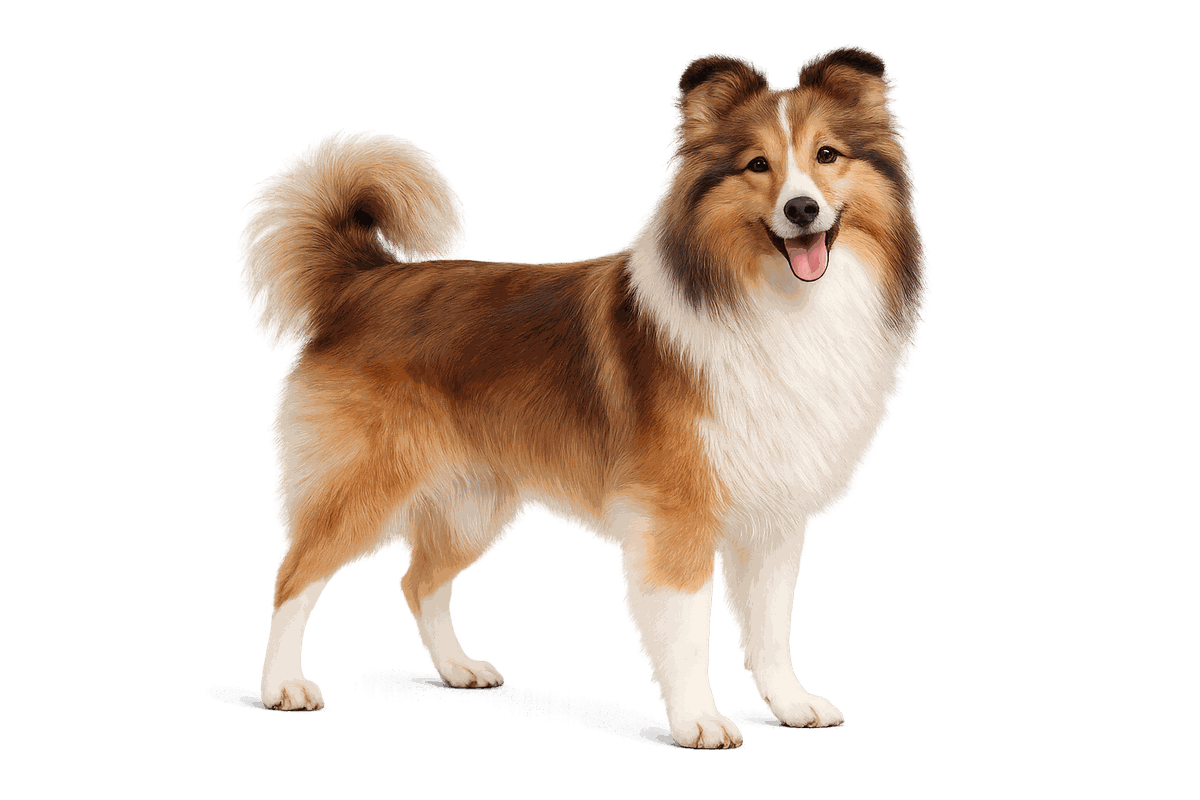
Weight
15-25 lb
Height
13-16 in
Lifespan
12-14 yrs
Coat
Double Long
The Shetland Sheepdog is a small, highly trainable herding dog from Scotland's Shetland Islands, known for sensitivity, speed, and a profuse double coat.
Official, native, and commonly used variants
Weight
15-25 lb
Height
13-16 in
Lifespan
12-14 yrs
Coat
Double Long
At A Glance
A quick read on energy, upkeep, and what day-to-day life with this breed usually feels like.
Energy
High
Barking
High
Drooling
Low
Shedding
Moderate
Grooming
4/5
First-time owner
Yes
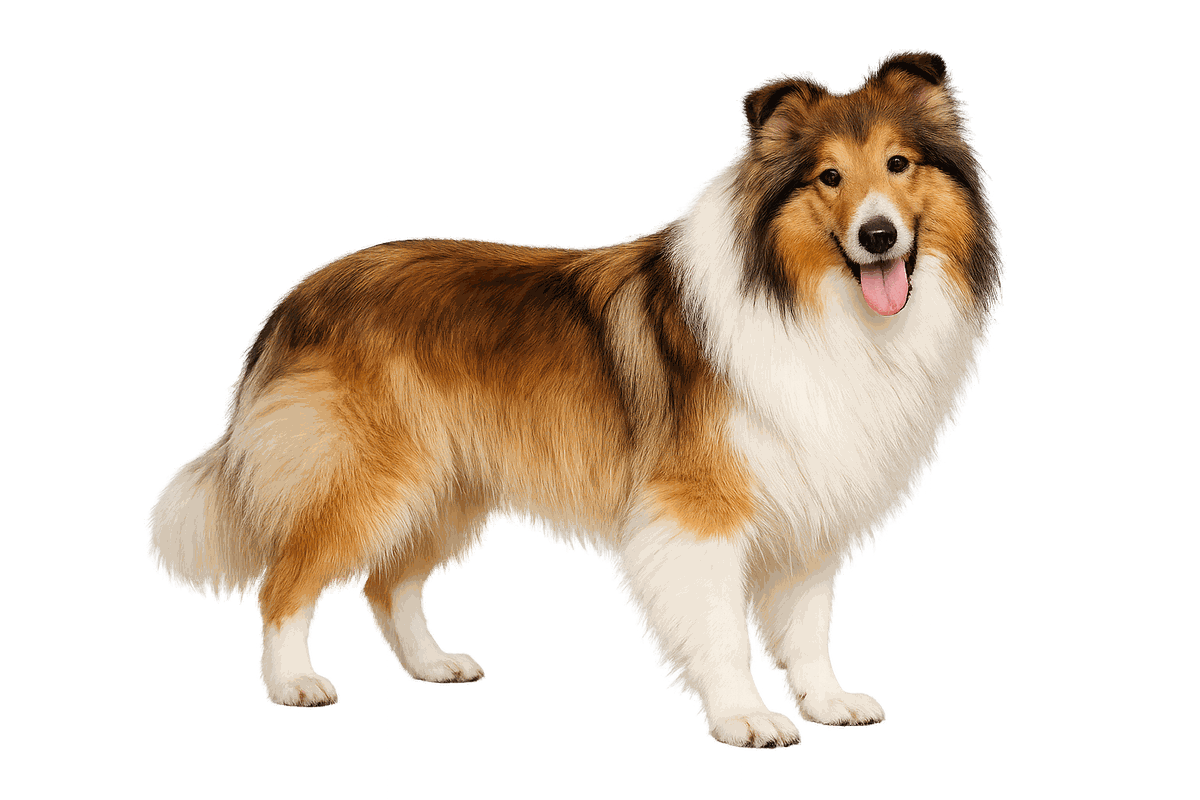
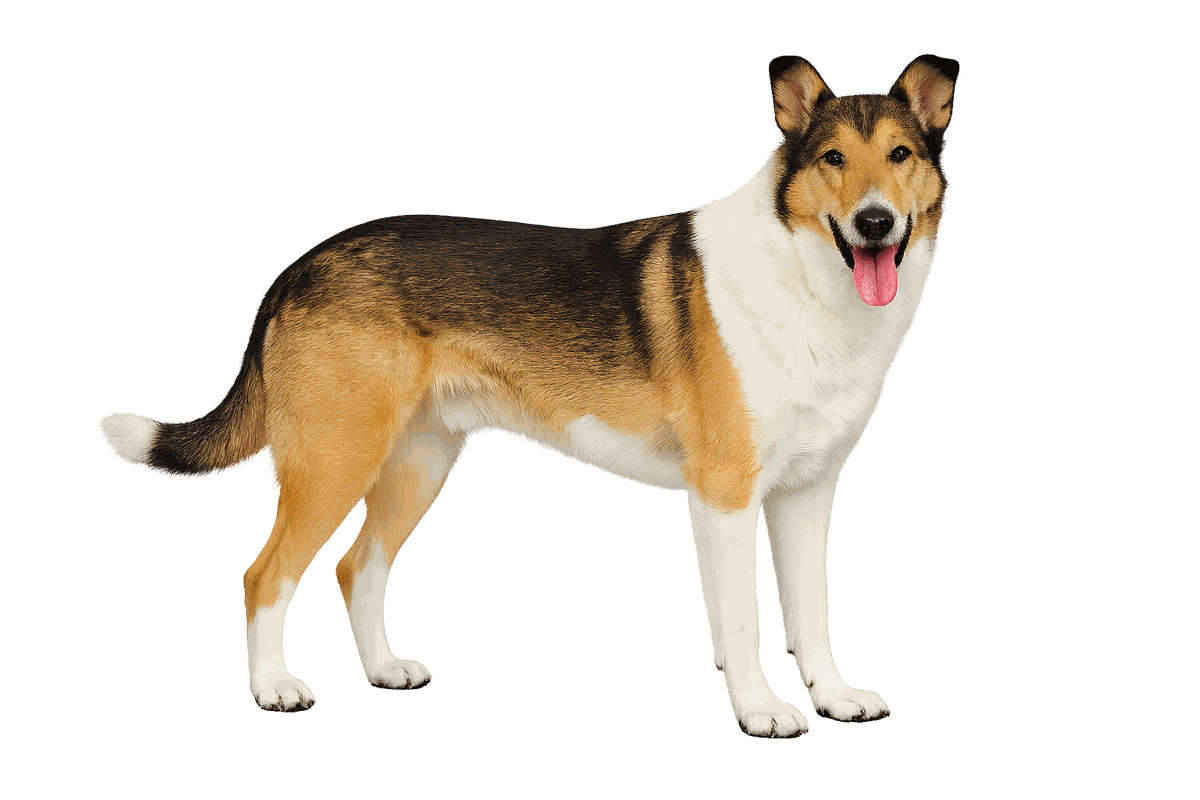
The Shetland Sheepdog, or Sheltie, is a small herding breed from the Shetland Islands. It is not simply a miniature Collie, although the breeds share a similar outline. The AKC standard sets the ideal height at 13 to 16 inches and recognizes black, blue merle, and sable, with appropriate white and tan markings.
Shelties are intelligent, responsive, affectionate with their people, and often reserved with strangers. They excel in obedience, agility, herding, and trick training, but their sensitivity and alertness can become barking, shyness, or motion reactivity without thoughtful socialization.
The coat is profuse and needs regular line-brushing, especially behind ears, in the ruff, trousers, and tail. Owners should discuss eye health, hip dysplasia, thyroid disease, dermatomyositis, MDR1 drug sensitivity, and weight control with responsible breeders and veterinarians.
This breed tends to suit homes looking for a intelligent, responsive, affectionate companion, with daily rhythms shaped by high energy, high barking, and low drooling.
Coat type
Double
Coat length
Long
Shedding
Moderate
Colors
Black, Blue merle, Sable, Black white and tan, Blue merle white and tan, Sable white and tan
Shelties can fit apartments when owners manage barking and provide daily exercise. Hallway noise and window triggers should be part of the training plan.
Shelties are alert, sensitive, and responsive. They often bark at sounds or movement, so calm exposure and quiet cues are core skills.
Use clear, kind, reward-based training. Shelties learn quickly, so teach quiet cues, recall, settling, handling, and calm responses to motion before barking and chasing become habits.
Line-brush the double coat several times a week and more during shedding seasons. Pay close attention behind the ears, under elbows, in the trousers, and around the tail where mats form.
Most Shelties need 60 to 90 minutes of daily activity, but mental work is just as important. Training games, agility foundations, herding-style control exercises, and trick work fit the breed well.
Line-brush the double coat several times a week and more during shedding seasons. Pay close attention behind the ears, under elbows, in the trousers, and around the tail where mats form.
Use clear, kind, reward-based training. Shelties learn quickly, so teach quiet cues, recall, settling, handling, and calm responses to motion before barking and chasing become habits.
Feed measured portions and keep the dog lean. Ask your veterinarian about MDR1 drug sensitivity, eye exams, thyroid screening, and skin or coat issues.
Energy level
High
Barking level
High
Drooling level
Low
Watchdog ability
5/5
Guard dog ability
1/5
Climate tolerance
Common concerns to discuss with your vet and breeder.
This profile was researched from established breed and canine-care references. Breed tendencies describe typical patterns, not a guarantee for every individual dog.
Reviewed by the Dogs Index Editorial Team. For health or behavior concerns, consult a veterinarian or appropriately qualified professional.
Our Shop
Browse practical products for feeding, grooming, cleanup, enrichment, and smoother daily routines.