Apartment fit
A Newfoundland can live in an apartment only with enough space, cool indoor temperatures, elevator access, and owners who can manage giant-dog logistics.
 Canada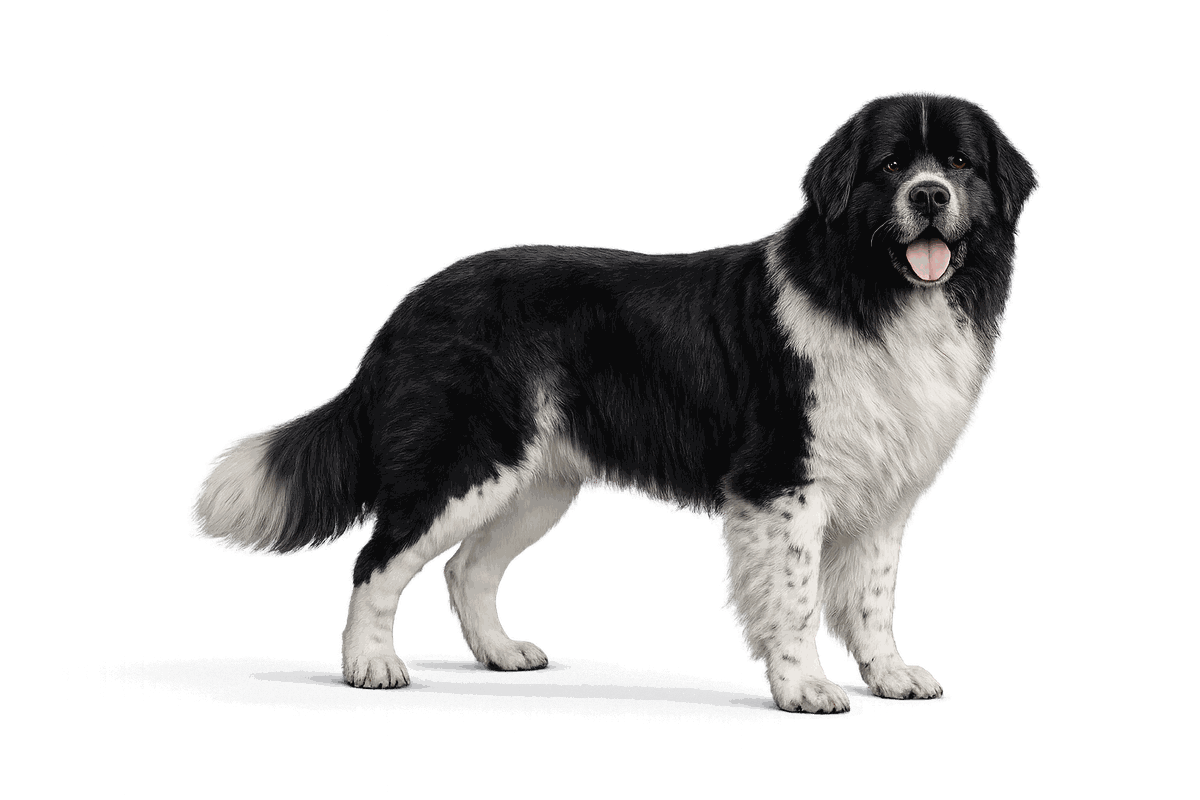
Weight
100-150 lb
Height
26-28 in
Lifespan
9-10 yrs
Coat
Double Long
The Newfoundland is a giant Canadian working dog famous for water rescue ability, a heavy double coat, gentle temperament, and strong swimming power.
Official, native, and commonly used variants
Weight
100-150 lb
Height
26-28 in
Lifespan
9-10 yrs
Coat
Double Long
At A Glance
A quick read on energy, upkeep, and what day-to-day life with this breed usually feels like.
Energy
Moderate
Barking
Low to Moderate
Drooling
High
Shedding
High
Grooming
5/5
First-time owner
No
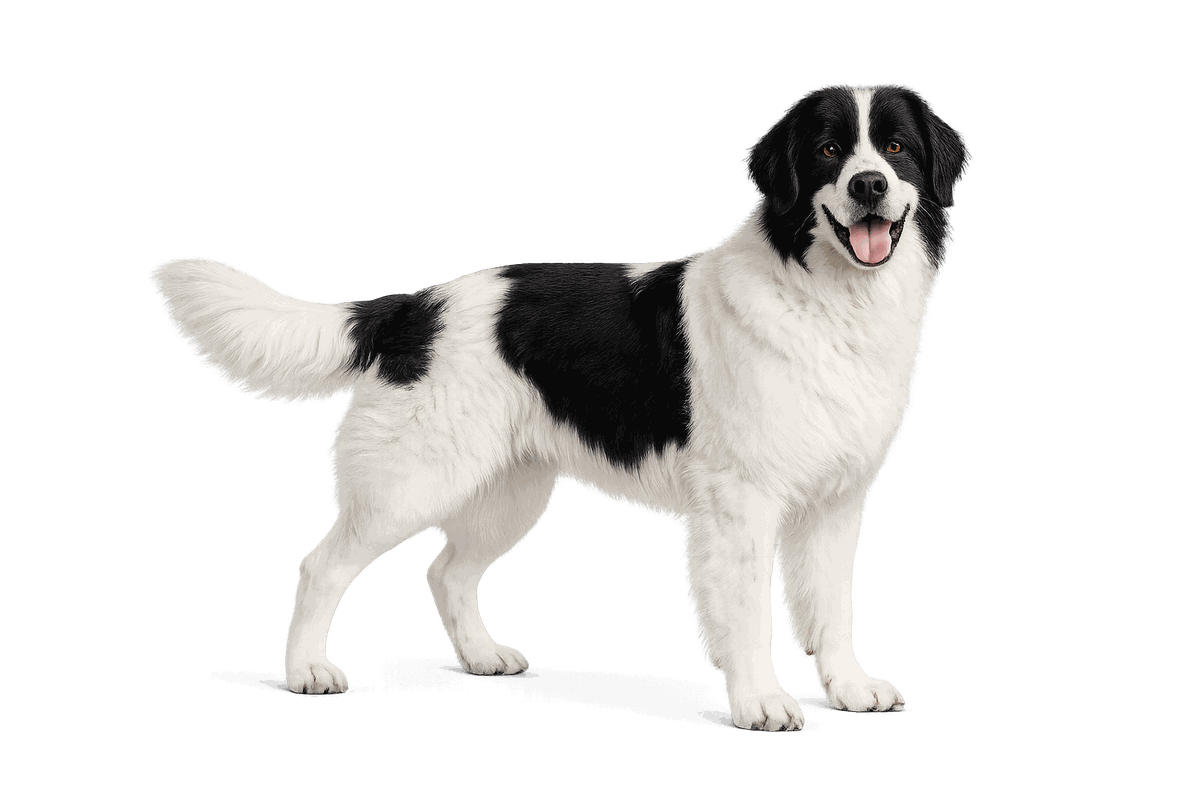
The Newfoundland is a giant working breed from Canada, developed around coastal work, hauling, and water rescue. Its massive body, webbed feet, thick water-resistant coat, and steady temperament all point to a dog built for cold water and practical strength.
The AKC standard lists males around 28 inches and 130 to 150 pounds, with females around 26 inches and 100 to 120 pounds. Recognized colors include black, brown, gray, and white-and-black Landseer pattern in the AKC standard. The coat is heavy and sheds substantially, and drool is common.
A well-bred Newfoundland can be famously gentle with family, but giant size still requires training, space, grooming, and budget. Heat sensitivity, joint health, heart disease, and bloat risk should be taken seriously. The breed is best for owners who want a calm giant companion and can handle the coat, water, drool, and cost.
This breed tends to suit homes looking for a gentle, patient, sweet companion, with daily rhythms shaped by moderate energy, low to moderate barking, and high drooling.
Coat type
Double
Coat length
Long
Shedding
High
Colors
Black, Brown, Gray, White and Black
A Newfoundland can live in an apartment only with enough space, cool indoor temperatures, elevator access, and owners who can manage giant-dog logistics.
The breed is usually not a nuisance barker, but its size makes calm greeting and leash manners important.
Use gentle, consistent training from puppyhood. Teach manners before adult weight makes pulling or jumping dangerous.
Expect heavy brushing, seasonal coat blow, water cleanup, and regular ear and skin checks.
Adult Newfoundlands need steady moderate exercise, swimming when safe, and controlled walks. Avoid heat and protect puppies from excessive impact while growing.
Brush the heavy double coat several times a week and daily during shedding seasons. Dry the coat carefully after swimming and check ears, skin, and feet.
Start polite greetings, leash manners, water safety, and handling early. A friendly giant still needs reliable manners before it reaches adult weight.
Feed a large or giant-breed diet and keep body condition lean. Discuss joint health, heart screening, and bloat-risk feeding routines with a veterinarian.
Energy level
Moderate
Barking level
Low to Moderate
Drooling level
High
Watchdog ability
3/5
Guard dog ability
2/5
Climate tolerance
Common concerns to discuss with your vet and breeder.
This profile was researched from established breed and canine-care references. Breed tendencies describe typical patterns, not a guarantee for every individual dog.
Reviewed by the Dogs Index Editorial Team. For health or behavior concerns, consult a veterinarian or appropriately qualified professional.
Our Shop
Browse practical products for feeding, grooming, cleanup, enrichment, and smoother daily routines.