Apartment fit
The Otterhound is rarely a good apartment fit because of size, voice, scent drive, and outdoor mess.
Weight
80-115 lb
Height
24-27 in
Lifespan
10-13 yrs
Coat
Rough double Medium
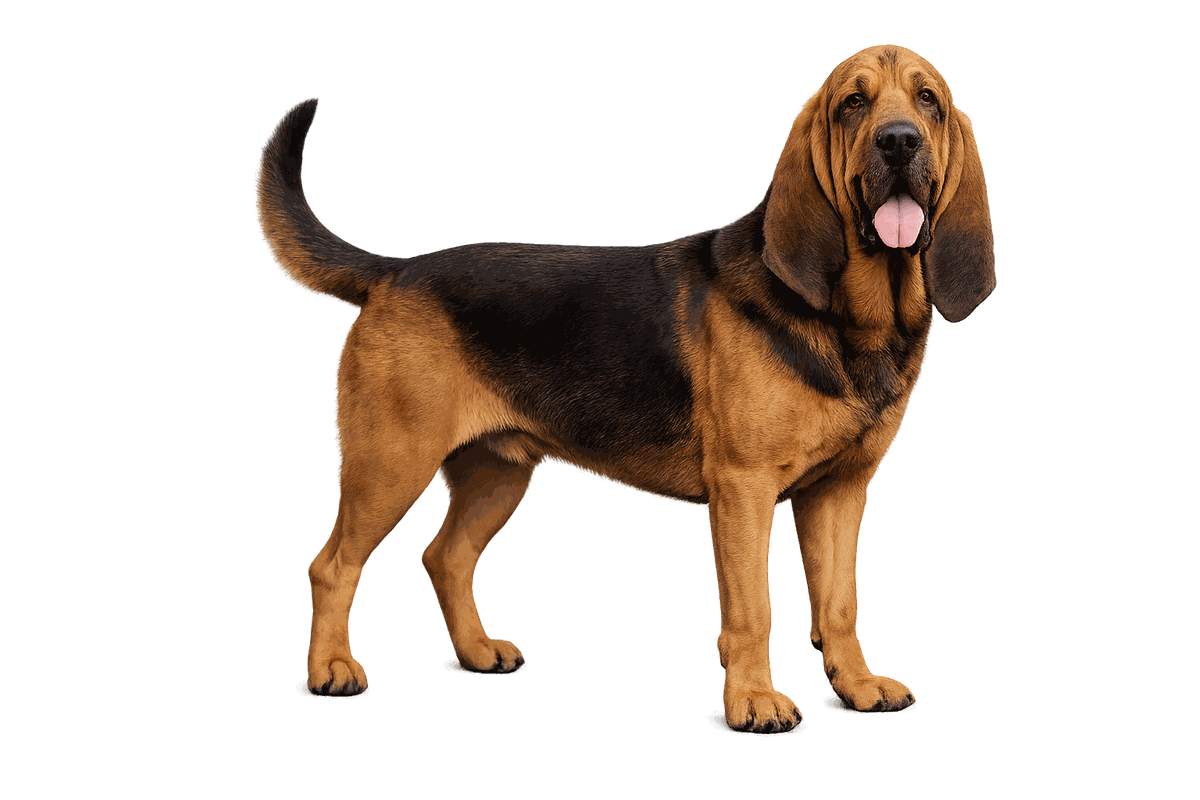
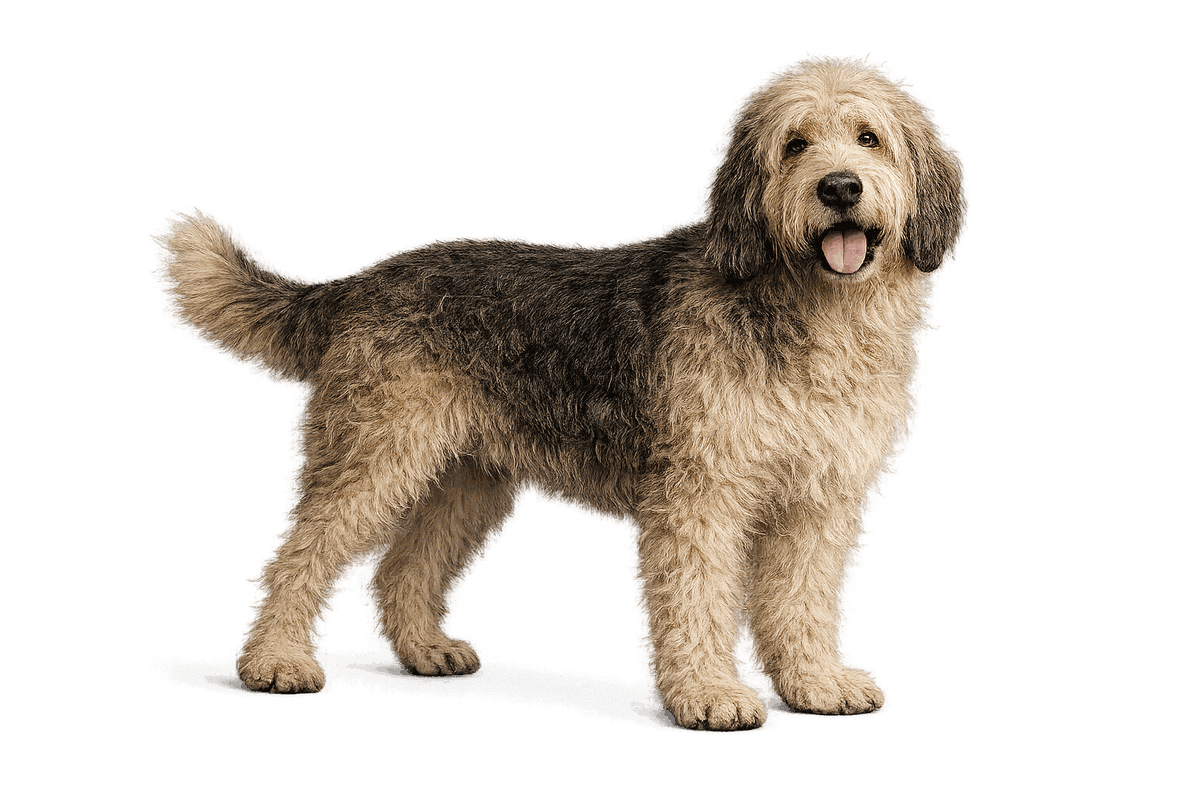
The Otterhound is a large British scenthound with a rough waterproof coat, webbed feet, and a deep voice, originally bred for hunting otter.
Official, native, and commonly used variants
No widely used alternate names are recorded for this breed.
Weight
80-115 lb
Height
24-27 in
Lifespan
10-13 yrs
Coat
Rough double Medium
At A Glance
A quick read on energy, upkeep, and what day-to-day life with this breed usually feels like.
Energy
Moderate to High
Barking
High
Drooling
Moderate
Shedding
Moderate
Grooming
3/5
First-time owner
No
The Otterhound is a rare British scenthound developed for hunting otter in and around water. Its rough double coat, large nose, webbed feet, and strong body all reflect that wet, scent-heavy work. The breed is no longer used for its original purpose in the UK, but the traits remain.
Adults are large, with males around 27 inches and females around 24 inches in the AKC standard. The coat is dense, rough, and weather-resistant, not short and smooth. Many hound colors are allowed, including grizzle, wheaten, black and tan, blue and cream, liver and tan, and other hound patterns.
Otterhounds are usually friendly and boisterous, but they are independent, strong, vocal, and scent-driven. They need space, secure fencing, exercise, and owners who can handle mud, water, beard mess, and a large hound voice. Health discussions should include hips, elbows, bloat risk, epilepsy, and ear care.
This breed tends to suit homes looking for a friendly, boisterous, independent companion, with daily rhythms shaped by moderate to high energy, high barking, and moderate drooling.
Coat type
Rough double
Coat length
Medium
Shedding
Moderate
Colors
Grizzle, Wheaten, Black and Tan, Blue and Cream, Liver and Tan
The Otterhound is rarely a good apartment fit because of size, voice, scent drive, and outdoor mess.
Expect a deep hound voice. Teach quiet routines, but do not choose the breed expecting silence.
Use rewards, long lines, and practical scent outlets. Recall needs gradual proofing around trails and wildlife.
The rough coat needs brushing, beard cleaning, and ear checks, especially after swimming or mud.
Most Otterhounds need 60 to 90 minutes of daily activity with long sniffing walks, hiking, safe swimming, or scent work. Secure fencing is important.
Brush the rough coat weekly, clean the beard, and check ears carefully after water or mud. The coat should stay functional, not sculpted.
Use patient reward-based training with long-line recall practice. Scent will often outrank obedience unless training is built gradually.
Feed measured meals for a large hound and discuss bloat-risk feeding routines, joints, and body condition with a veterinarian.
Energy level
Moderate to High
Barking level
High
Drooling level
Moderate
Watchdog ability
3/5
Guard dog ability
1/5
Climate tolerance
Common concerns to discuss with your vet and breeder.
This profile was researched from established breed and canine-care references. Breed tendencies describe typical patterns, not a guarantee for every individual dog.
Reviewed by the Dogs Index Editorial Team. For health or behavior concerns, consult a veterinarian or appropriately qualified professional.
Our Shop
Browse practical products for feeding, grooming, cleanup, enrichment, and smoother daily routines.