Apartment fit
The Saarlooswolfhond is usually a poor apartment fit because it is sensitive, reserved, and needs secure outdoor outlets. Noise, strangers, elevators, and dense dog traffic can be hard on the breed.
Weight
70-100 lb
Height
23.5-29.5 in
Lifespan
10-12 yrs
Coat
Double Medium
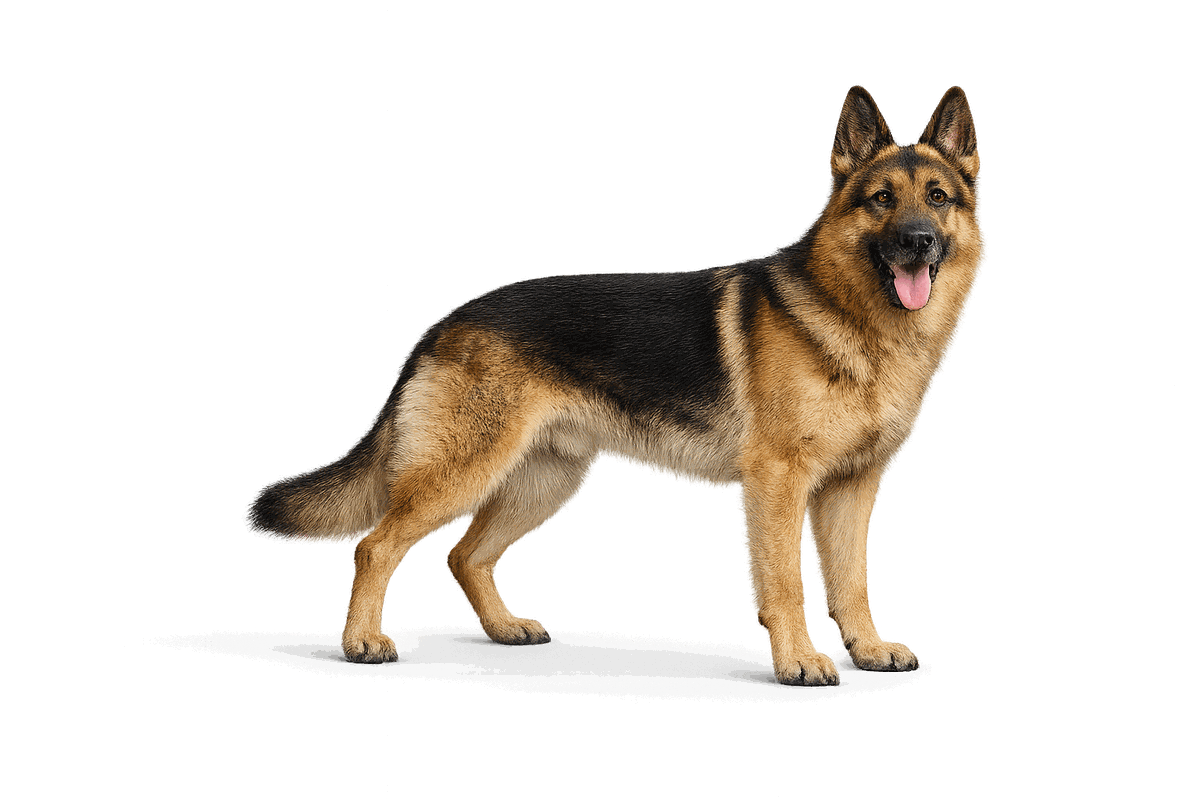
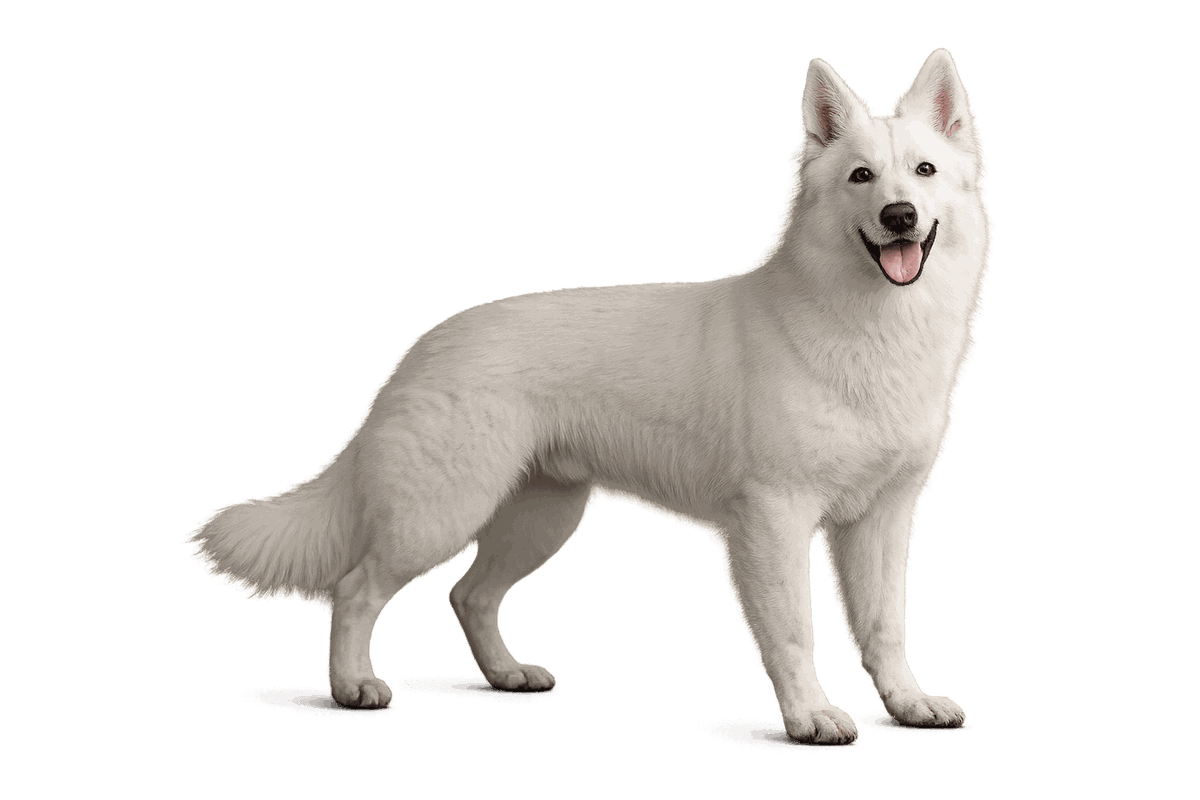
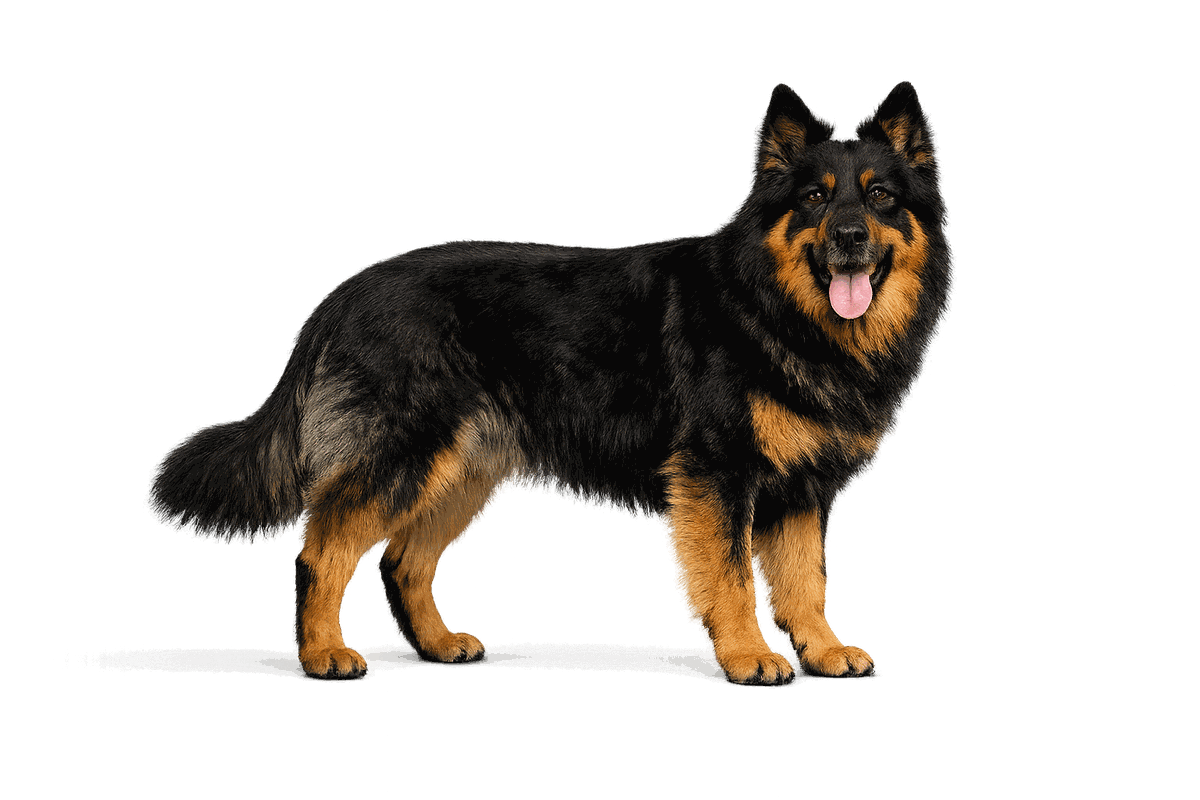
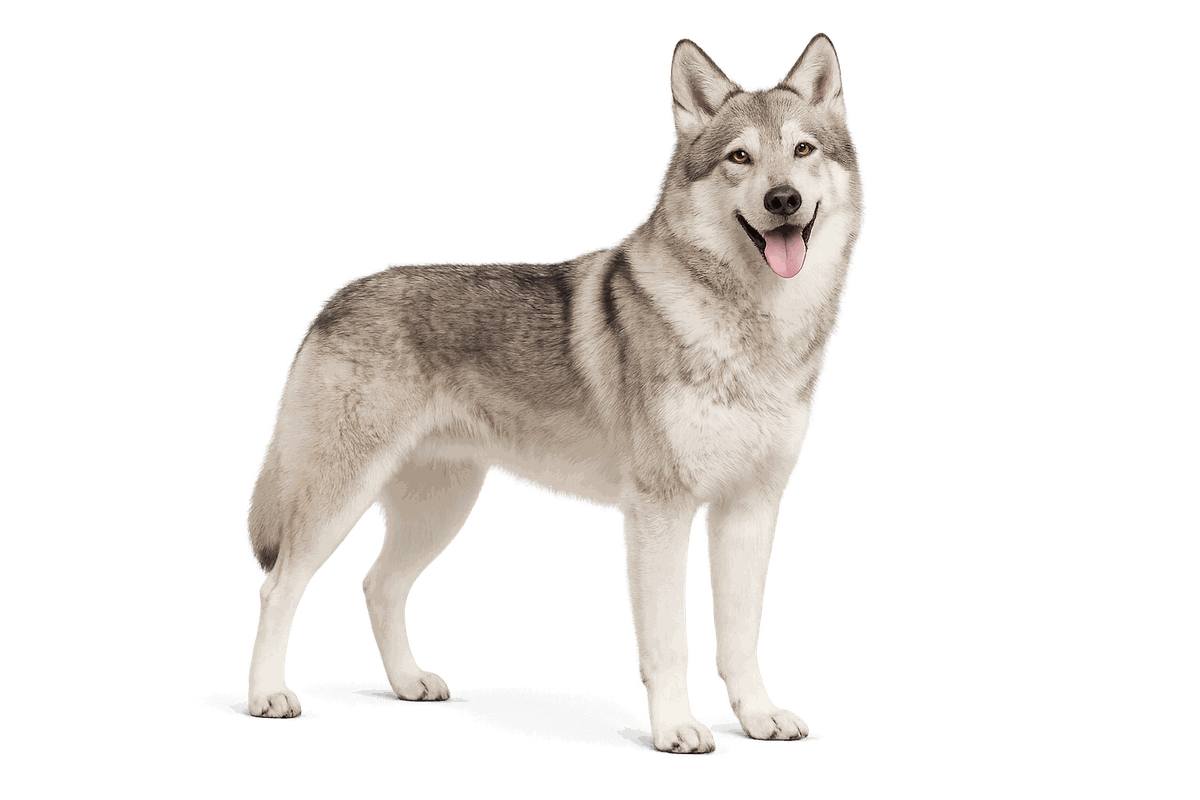
The Saarlooswolfhond is a large Dutch wolfdog with a wolf-grey, forest-brown, or pale coat and a reserved, independent temperament.
Official, native, and commonly used variants
Weight
70-100 lb
Height
23.5-29.5 in
Lifespan
10-12 yrs
Coat
Double Medium
At A Glance
A quick read on energy, upkeep, and what day-to-day life with this breed usually feels like.
Energy
High
Barking
Low
Drooling
Low
Shedding
Heavy
Grooming
3/5
First-time owner
No
The Saarlooswolfhond is a Dutch breed created by Leendert Saarloos from German Shepherd Dog and wolf ancestry. Although the FCI places it among sheepdogs and cattle dogs, it is not a typical herding breed. The standard describes a powerfully built, wolf-like dog with long legs, natural movement, and a strong tendency to avoid pressure rather than confront it.
This breed is usually reserved with strangers, sensitive to its environment, and independent in training. It can bond closely with its family, but it should not be chosen by someone wanting an outgoing obedience dog, a guard dog, or a casual apartment pet. Careful socialization, secure fencing, calm handling, and realistic expectations are essential.
The double coat changes with the seasons and is built for outdoor weather. Saarlooswolfhonds need regular exercise, but they also need choice and decompression; crowded dog parks, heavy-handed training, and chaotic homes are poor matches. Responsible breeders should discuss temperament, hip and elbow screening, eye health, degenerative myelopathy, and the realities of living with a wolfdog-type breed.
This breed tends to suit homes looking for a reserved, independent, sensitive companion, with daily rhythms shaped by high energy, low barking, and low drooling.
Coat type
Double
Coat length
Medium
Shedding
Heavy
Colors
Wolf-grey, Forest-brown, Cream-white, White
The Saarlooswolfhond is usually a poor apartment fit because it is sensitive, reserved, and needs secure outdoor outlets. Noise, strangers, elevators, and dense dog traffic can be hard on the breed.
The breed is not usually selected for guarding or constant barking. Its bigger behavioral issue is avoidance or stress around pressure, so calm routines and safe distance matter.
Use calm, reward-based training that respects the breed's sensitivity and independence. Heavy pressure usually increases avoidance, so focus on trust, recall foundations, handling, leash skills, and carefully planned socialization.
Brush weekly most of the year and very frequently during seasonal coat blows. The dense undercoat can shed heavily, and skin, feet, and ears should be checked after outdoor activity.
Most Saarlooswolfhonds need 60 to 90 minutes of daily exercise through long walks, quiet trails, secure free movement, and scent-based enrichment. They also need downtime away from crowded or chaotic situations.
Brush weekly most of the year and very frequently during seasonal coat blows. The dense undercoat can shed heavily, and skin, feet, and ears should be checked after outdoor activity.
Use calm, reward-based training that respects the breed's sensitivity and independence. Heavy pressure usually increases avoidance, so focus on trust, recall foundations, handling, leash skills, and carefully planned socialization.
Feed a measured large-breed diet and keep the dog lean. Discuss joint health, growth rate, and any digestive sensitivities with a veterinarian familiar with large, slow-maturing breeds.
Energy level
High
Barking level
Low
Drooling level
Low
Watchdog ability
3/5
Guard dog ability
1/5
Climate tolerance
Common concerns to discuss with your vet and breeder.
This profile was researched from established breed and canine-care references. Breed tendencies describe typical patterns, not a guarantee for every individual dog.
Reviewed by the Dogs Index Editorial Team. For health or behavior concerns, consult a veterinarian or appropriately qualified professional.
Our Shop
Browse practical products for feeding, grooming, cleanup, enrichment, and smoother daily routines.