Apartment fit
A Samoyed can live in an apartment only when exercise, coat care, cooling, and barking are managed seriously. Daily outdoor activity and indoor settling practice are essential.
Weight
35-65 lb
Height
19-23.5 in
Lifespan
12-14 yrs
Coat
Double Long
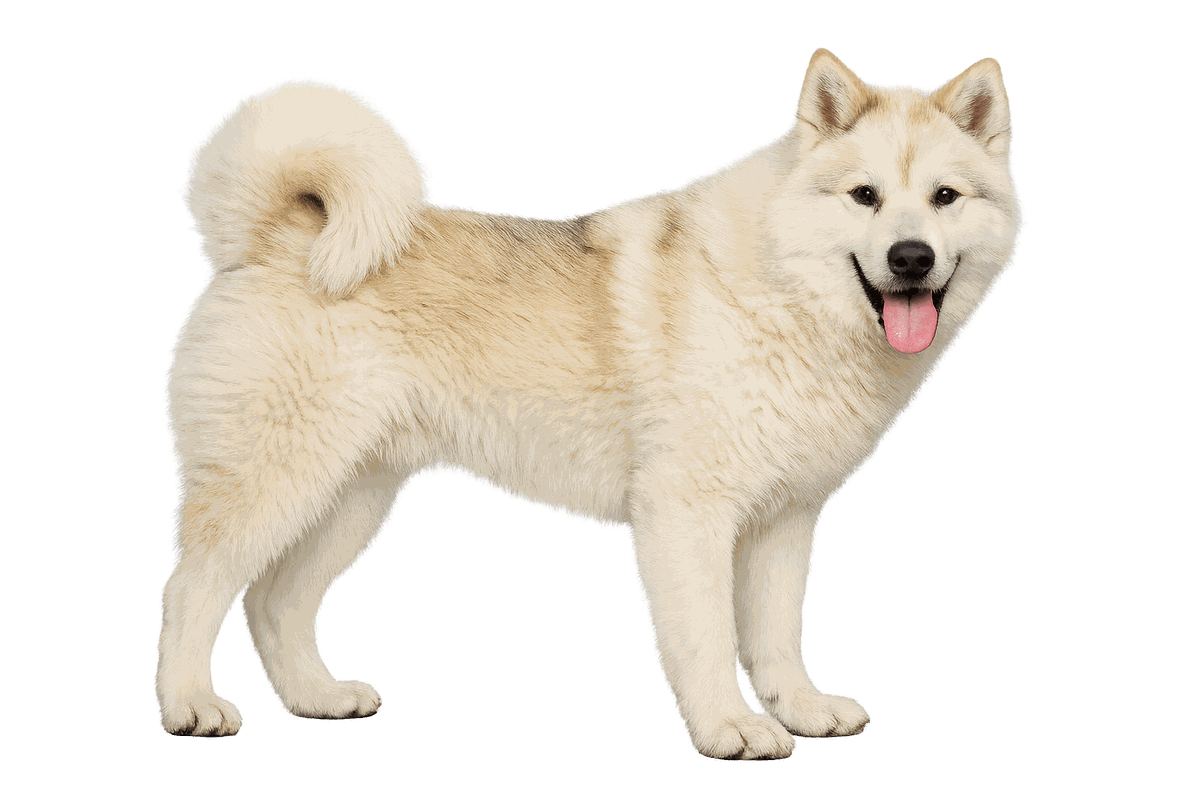
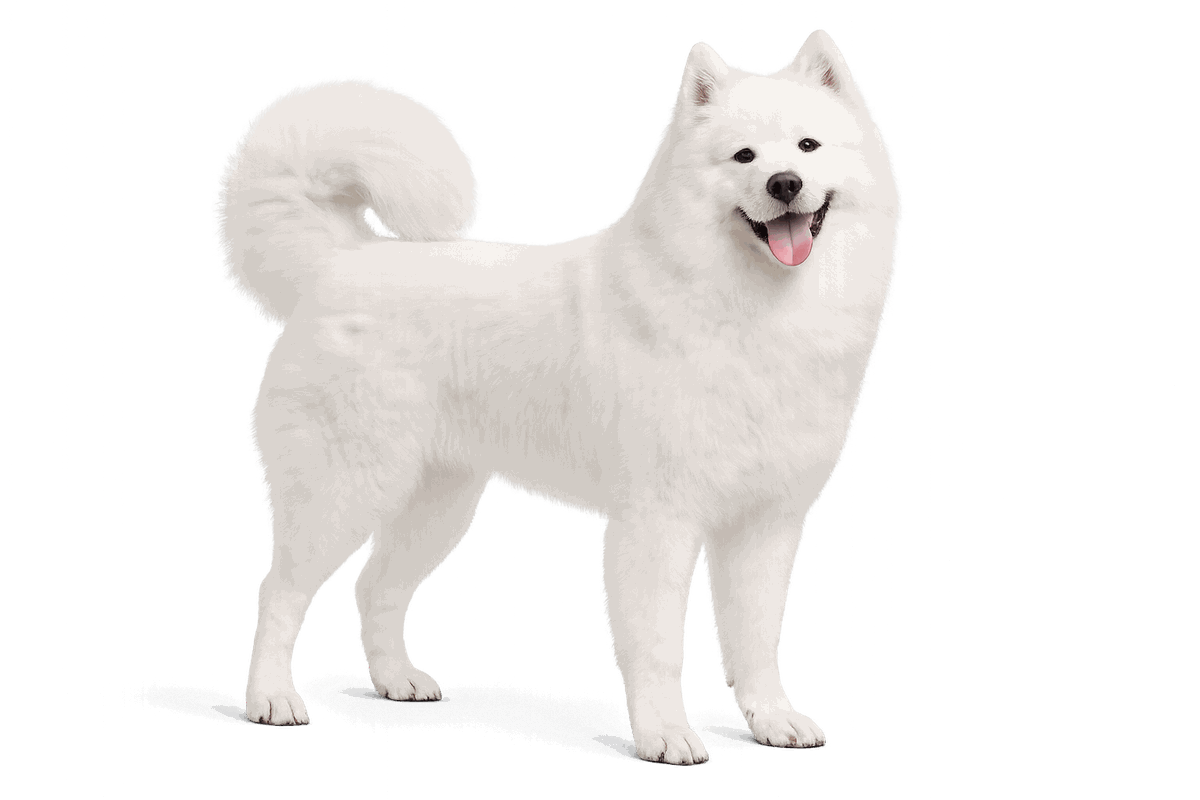
The Samoyed is a white Arctic spitz from Siberia, friendly and powerful, with a heavy double coat and strong need for exercise and grooming.
Official, native, and commonly used variants
Weight
35-65 lb
Height
19-23.5 in
Lifespan
12-14 yrs
Coat
Double Long
At A Glance
A quick read on energy, upkeep, and what day-to-day life with this breed usually feels like.
Energy
High
Barking
High
Drooling
Low
Shedding
Heavy
Grooming
5/5
First-time owner
No
The Samoyed is an Arctic spitz breed developed by the Samoyedic peoples of northern Russia and Siberia for sledding, herding reindeer, warmth, and companionship. The breed is famous for its dense white coat and smiling expression, but it is a real working dog beneath the beauty.
A good Samoyed is friendly, gentle, lively, and social. It usually does poorly as an isolated backyard dog and can become vocal, destructive, or escape-minded when bored. The breed needs daily exercise, training, and family contact, plus owners who can manage pulling instincts and cheerful stubbornness without harsh handling.
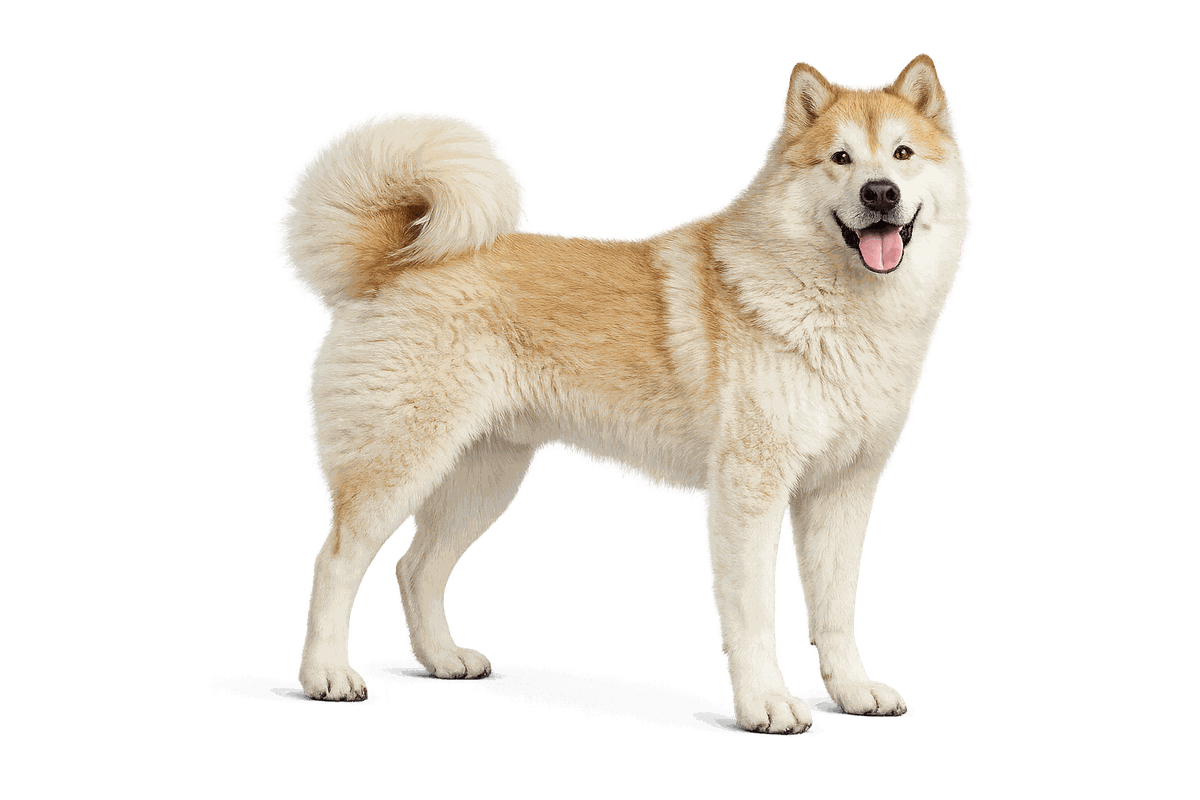
The coat is the major commitment. Samoyeds have a profuse double coat in white, cream, biscuit, or white and biscuit, and they shed heavily, especially during coat blow. Heat management, regular brushing, nail care, dental care, hips, eyes, cardiac health, and hereditary kidney concerns should all be part of responsible ownership.
This breed tends to suit homes looking for a friendly, gentle, lively companion, with daily rhythms shaped by high energy, high barking, and low drooling.
Coat type
Double
Coat length
Long
Shedding
Heavy
Colors
White, Cream, Biscuit, White and biscuit
A Samoyed can live in an apartment only when exercise, coat care, cooling, and barking are managed seriously. Daily outdoor activity and indoor settling practice are essential.
Samoyeds are friendly and social, but many are vocal and attention-seeking. Barking often increases when they are bored, isolated, or under-exercised.
Use upbeat reward-based training and keep sessions varied. Work on loose-leash walking, recall, polite greetings, barking control, and calm settling because Samoyeds are social, vocal, and often inventive.
Brush several times a week and daily during seasonal coat blow. The dense coat must be dried thoroughly after bathing or wet weather, and shaving is not a normal heat-management solution.
Most Samoyeds need 60 to 90 minutes of daily activity, with walks, pulling sports, hiking, play, and training. They are social working dogs and should not be left to entertain themselves in a yard.
Brush several times a week and daily during seasonal coat blow. The dense coat must be dried thoroughly after bathing or wet weather, and shaving is not a normal heat-management solution.
Use upbeat reward-based training and keep sessions varied. Work on loose-leash walking, recall, polite greetings, barking control, and calm settling because Samoyeds are social, vocal, and often inventive.
Feed a measured diet for an active medium-to-large dog and adjust for workload, age, and heat. Keep the dog lean to protect hips and discuss inherited kidney, eye, cardiac, and orthopedic risks with your veterinarian.
Energy level
High
Barking level
High
Drooling level
Low
Watchdog ability
4/5
Guard dog ability
1/5
Climate tolerance
Common concerns to discuss with your vet and breeder.
This profile was researched from established breed and canine-care references. Breed tendencies describe typical patterns, not a guarantee for every individual dog.
Reviewed by the Dogs Index Editorial Team. For health or behavior concerns, consult a veterinarian or appropriately qualified professional.
Our Shop
Browse practical products for feeding, grooming, cleanup, enrichment, and smoother daily routines.