Apartment fit
A Siberian Husky can live in an apartment only with serious exercise, cooling, and vocal management. Many do better with secure outdoor access.
Weight
35-60 lb
Height
20-23.5 in
Lifespan
12-14 yrs
Coat
Double Medium
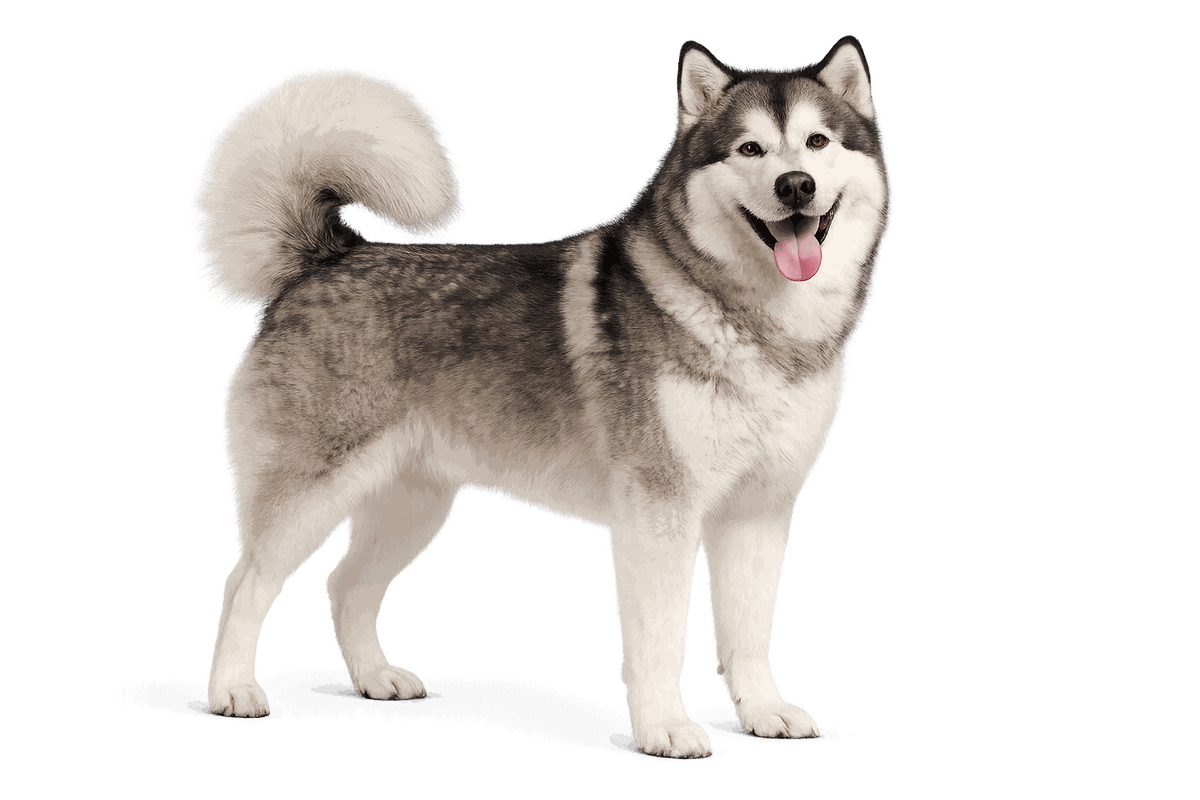
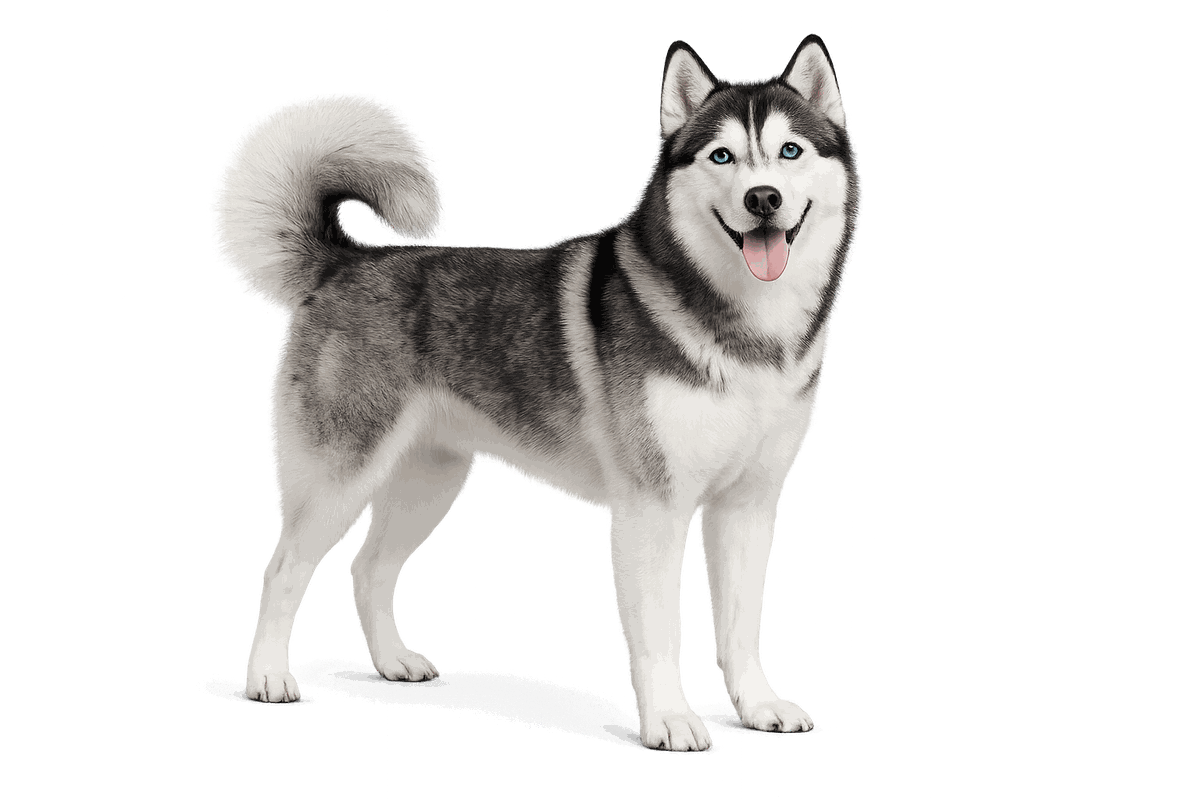
The Siberian Husky is a medium northern sled dog, friendly and athletic, bred to pull light loads over long distances in cold climates.
Official, native, and commonly used variants
No widely used alternate names are recorded for this breed.
Weight
35-60 lb
Height
20-23.5 in
Lifespan
12-14 yrs
Coat
Double Medium
At A Glance
A quick read on energy, upkeep, and what day-to-day life with this breed usually feels like.
Energy
Very High
Barking
High
Drooling
Low
Shedding
Heavy
Grooming
3/5
First-time owner
No
The Siberian Husky is a northern working breed developed by the Chukchi people of northeastern Asia and later established in sled-dog work in Alaska and North America. The standard describes a medium-sized, quick, light-footed dog built to pull a light load at a moderate pace over great distances.
Huskies are usually friendly, gentle, alert, and outgoing rather than protective. Their challenges are different: high exercise needs, escape behavior, digging, prey drive, vocal howling, and heavy seasonal shedding. They often love people and dogs, but they are not reliable off leash in unsecured places.
The double coat protects well in cold weather and sheds heavily during coat blow. Owners should plan for secure fencing, serious daily exercise, cooling in hot weather, eye screening, hip evaluation, and realistic training. A Husky is a poor choice for someone who wants a quiet guard dog or a low-maintenance apartment pet.
This breed tends to suit homes looking for a friendly, gentle, alert companion, with daily rhythms shaped by very high energy, high barking, and low drooling.
Coat type
Double
Coat length
Medium
Shedding
Heavy
Colors
Black, Gray, Red, Sable, Agouti, White, Black and white, Gray and white, Red and white
A Siberian Husky can live in an apartment only with serious exercise, cooling, and vocal management. Many do better with secure outdoor access.
Huskies are usually friendly and not protective, but they can be vocal, mischievous, and escape-minded when bored. They need companionship and work.
Use upbeat reward-based training and strong management. Prioritize recall foundations, leash skills, crate comfort, leave-it, door manners, and calm settling after exercise.
Brush weekly and daily during coat blow. Never rely on shaving for heat management; instead provide shade, water, air conditioning, and exercise during cooler hours.
Most Siberian Huskies need 90 minutes or more of daily activity, with running, hiking, pulling sports, and structured play. Secure fencing and leash use are essential because many Huskies roam and chase.
Brush weekly and daily during coat blow. Never rely on shaving for heat management; instead provide shade, water, air conditioning, and exercise during cooler hours.
Use upbeat reward-based training and strong management. Prioritize recall foundations, leash skills, crate comfort, leave-it, door manners, and calm settling after exercise.
Feed a measured diet for an active medium working dog. Adjust calories to workload and climate, and discuss hip and eye screening with your veterinarian.
Energy level
Very High
Barking level
High
Drooling level
Low
Watchdog ability
2/5
Guard dog ability
1/5
Climate tolerance
Common concerns to discuss with your vet and breeder.
This profile was researched from established breed and canine-care references. Breed tendencies describe typical patterns, not a guarantee for every individual dog.
Reviewed by the Dogs Index Editorial Team. For health or behavior concerns, consult a veterinarian or appropriately qualified professional.
Our Shop
Browse practical products for feeding, grooming, cleanup, enrichment, and smoother daily routines.