Apartment fit
Apartment life is usually unsuitable. This breed was shaped for guarding territory and needs secure space.
 Georgia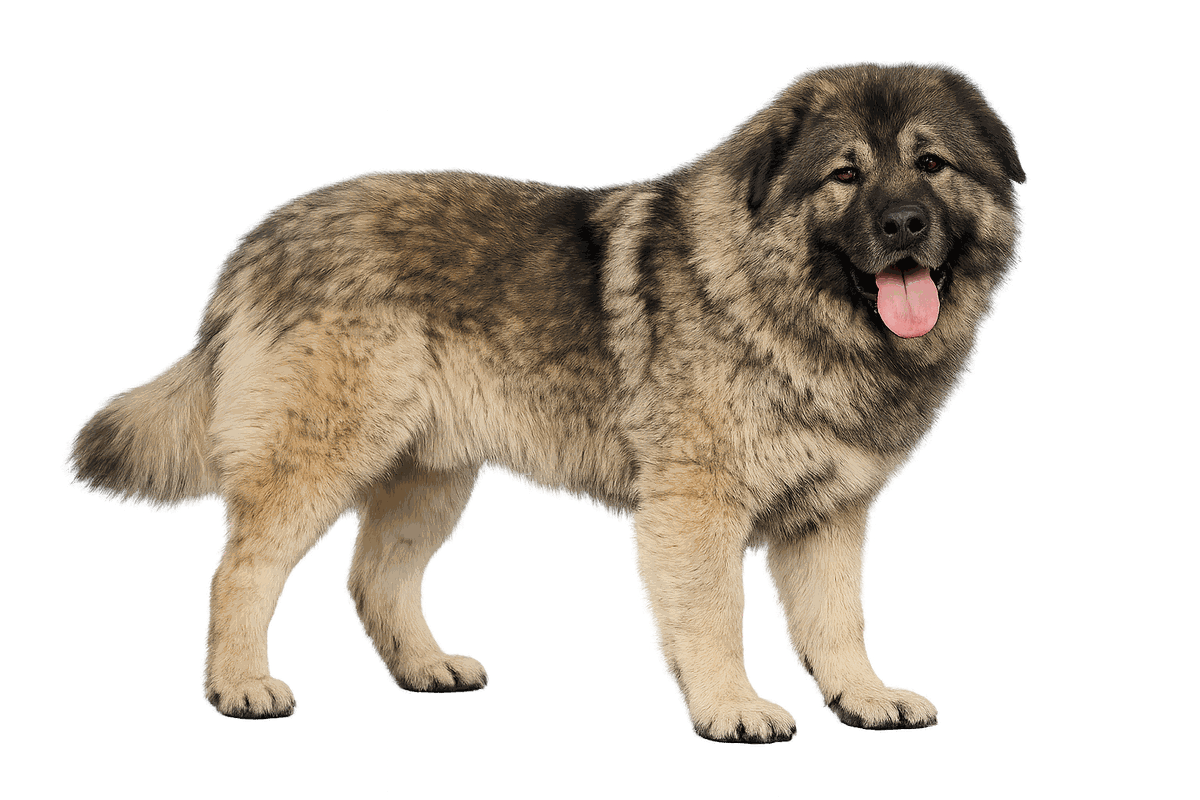
Weight
99-170 lb
Height
23-30 in
Lifespan
10-12 yrs
Coat
Double Medium
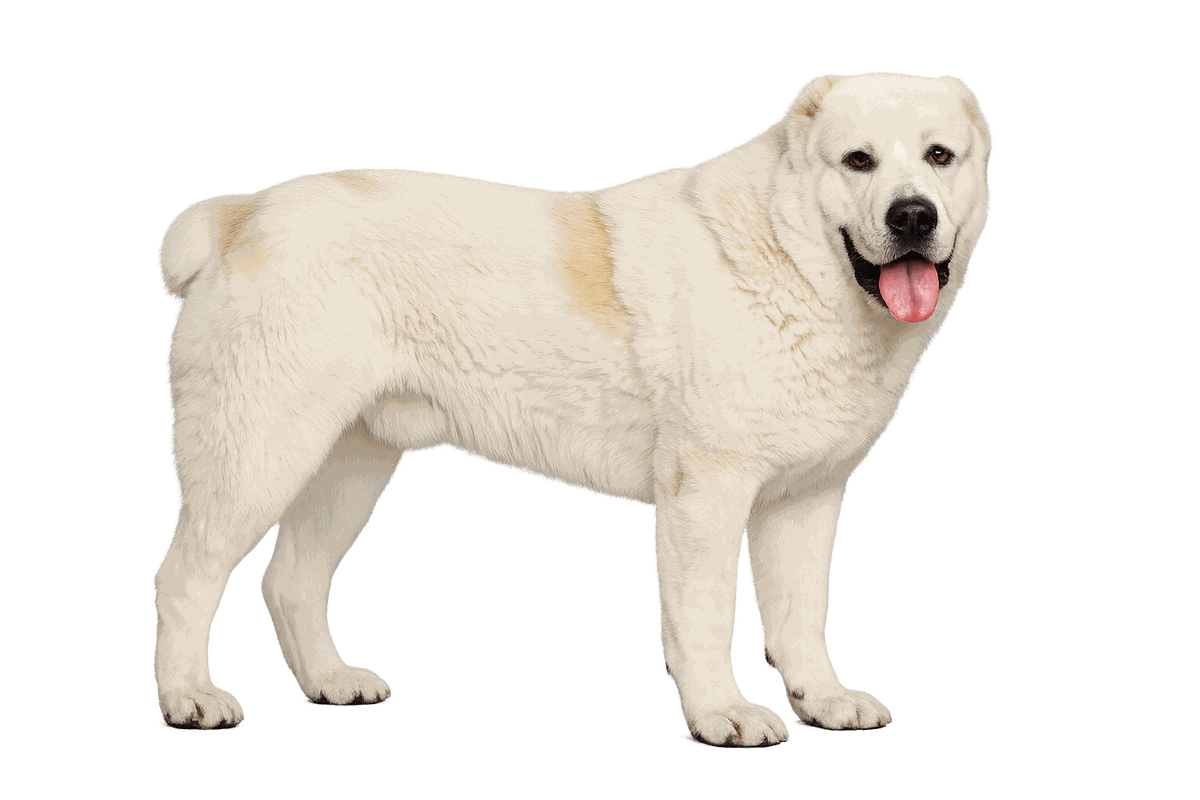
The Caucasian Shepherd, also called the Caucasian Ovcharka, is a 99-170 lb livestock guardian with an independent temperament, dense coat, and serious protective instinct.
Official, native, and commonly used variants
Weight
99-170 lb
Height
23-30 in
Lifespan
10-12 yrs
Coat
Double Medium
At A Glance
A quick read on energy, upkeep, and what day-to-day life with this breed usually feels like.
Energy
Moderate
Barking
Moderate
Drooling
Moderate
Shedding
Moderate
Grooming
4/5
First-time owner
No
Caucasian Shepherd and Caucasian Ovcharka are names for the same formidable livestock-guardian breed. The FCI lists it as Kavkazskaïa Ovtcharka and places it among mountain-type Molossian dogs. Its historic work demanded confidence, physical power, and independent decisions when guarding flocks and property.
This is not simply an extra-large, fluffy companion. A mature dog may decide that an unfamiliar person, animal, or boundary crossing deserves intervention before looking to its handler. Responsible ownership therefore centers on secure fencing, controlled introductions, cooperative handling, and calm neutrality—not protection drills or attempts to make the dog more suspicious.
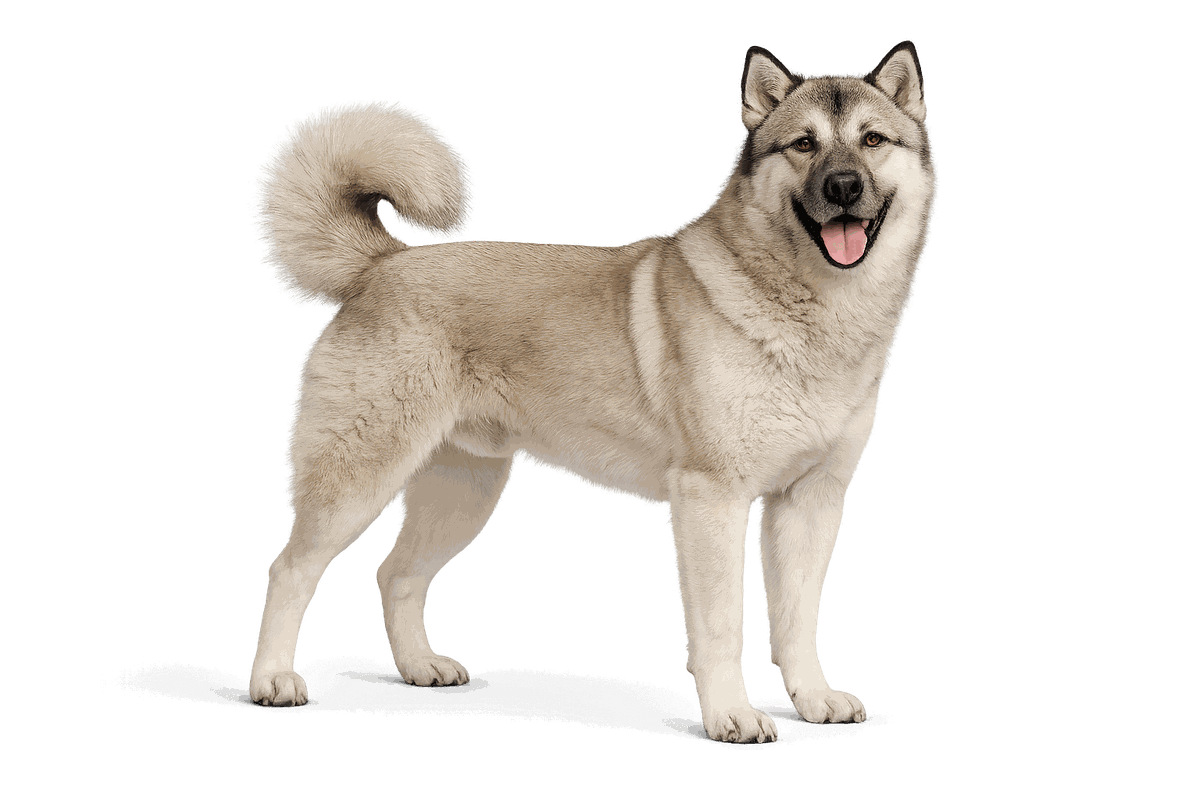
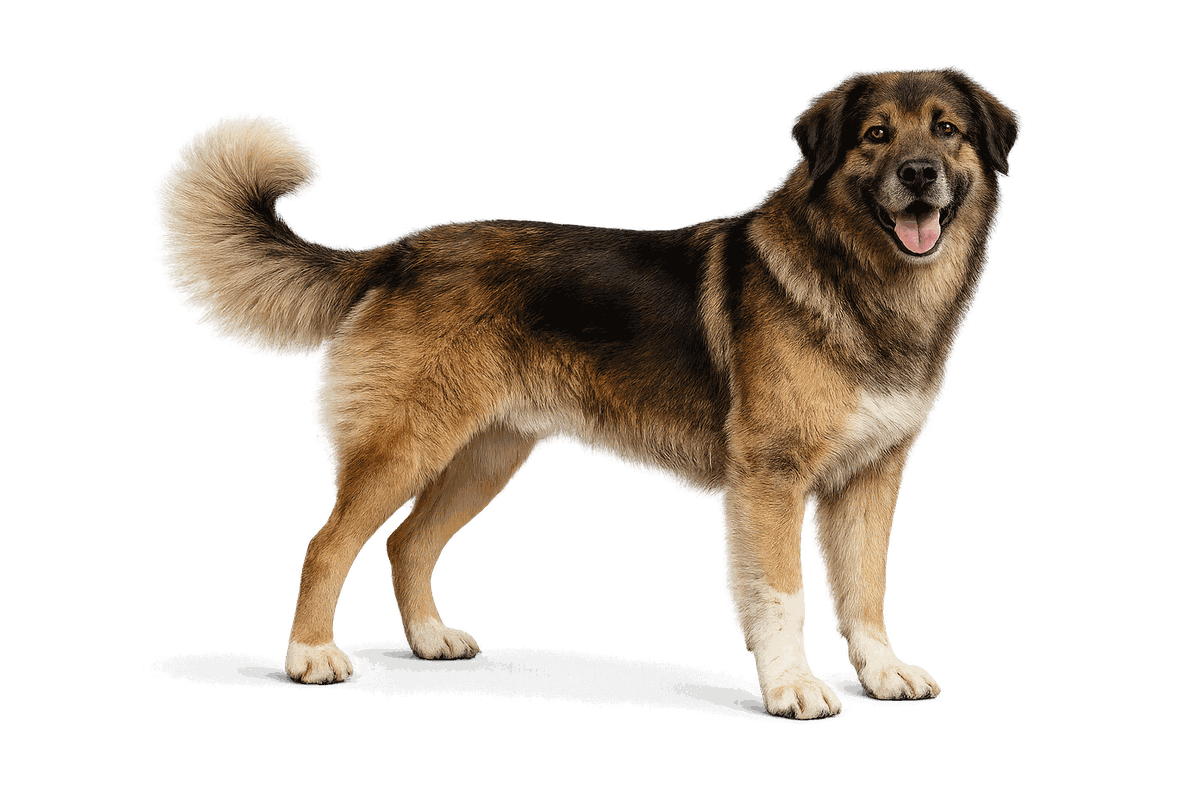
Coat length varies, but every type carries a dense weather-resistant double coat. Seasonal shedding can be heavy, and the ruff, tail, trousers, and areas behind the ears need closer attention on longer-coated dogs. Prospective owners should budget for giant-dog feeding, transport, veterinary handling, and joint-conscious growth as seriously as they consider temperament.
This breed tends to suit homes looking for a loyal, confident, protective companion, with daily rhythms shaped by moderate energy, moderate barking, and moderate drooling.
Coat type
Double
Coat length
Medium
Shedding
Moderate
Colors
Gray, Fawn, White, Brindle
Apartment life is usually unsuitable. This breed was shaped for guarding territory and needs secure space.
Alert barking often has a territorial purpose rather than simple excitement. Prevent fence-line rehearsals, block unsupervised access to high-traffic boundaries, and teach the dog to disengage while the handler controls the situation.
Train the safety skills that matter for a giant independent guardian: cooperative veterinary handling, muzzle comfort, leash control, stationing behind a barrier, releasing objects, and moving away from gates. Short, calm sessions are more realistic than drilling obedience for showy precision.
The dense double coat needs regular brushing and can shed heavily. Long coats require extra work around ruff, tail, and furnishings.
Most healthy adults need steady daily walks, secure outdoor time, and purposeful patrol-style activity rather than forced endurance work.
Brush the dense double coat several times a week and more during shedding seasons. Long-coated dogs need careful work behind ears, tail, ruff, and leg furnishings.
Prioritize cooperative handling, muzzle conditioning, loose-leash control, boundary cues, and a rehearsed visitor plan. Socialization should teach calm neutrality around ordinary people and places; it should never involve forcing greetings or encouraging defensive behavior.
Feed a measured giant-breed diet matched to age and growth stage. Keep the dog lean to protect hips, elbows, and long-term mobility.
Energy level
Moderate
Barking level
Moderate
Drooling level
Moderate
Watchdog ability
5/5
Guard dog ability
4/5
Climate tolerance
Common concerns to discuss with your vet and breeder.
This profile was researched from established breed and canine-care references. Breed tendencies describe typical patterns, not a guarantee for every individual dog.
Reviewed by the Dogs Index Editorial Team. For health or behavior concerns, consult a veterinarian or appropriately qualified professional.
Our Shop
Browse practical products for feeding, grooming, cleanup, enrichment, and smoother daily routines.