Apartment fit
Apartment life can work for an English Springer Spaniel only when exercise is planned every day and barking is managed. The dog needs outdoor outlets and training practice, not just indoor play.
 United Kingdom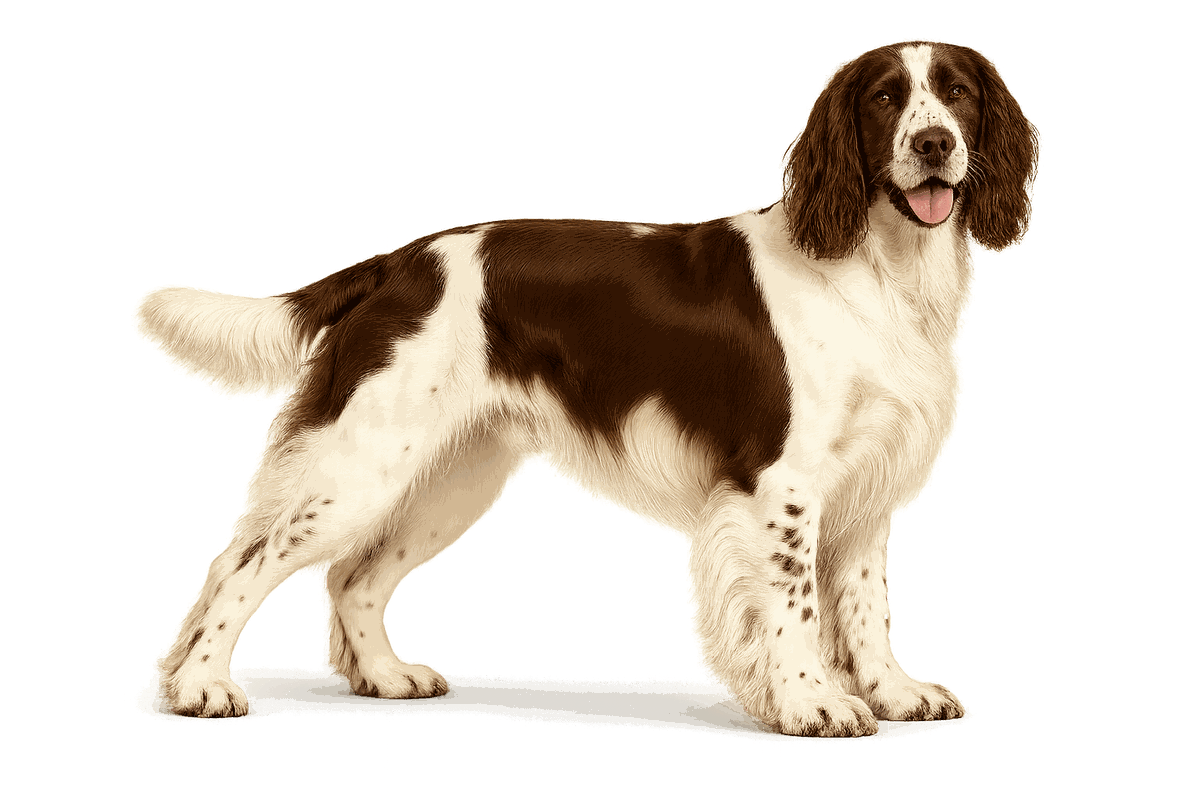
Weight
40-50 lb
Height
19-20 in
Lifespan
12-14 yrs
Coat
Double Medium
The English Springer Spaniel is a medium British gundog bred to flush and retrieve game, known for an eager, friendly nature and strong daily exercise needs.
Official, native, and commonly used variants
Weight
40-50 lb
Height
19-20 in
Lifespan
12-14 yrs
Coat
Double Medium
At A Glance
A quick read on energy, upkeep, and what day-to-day life with this breed usually feels like.
Energy
High
Barking
Moderate
Drooling
Low
Shedding
Moderate
Grooming
3/5
First-time owner
Yes
The English Springer Spaniel is a British flushing spaniel developed to work closely with hunters, finding game, springing it from cover, and retrieving after the shot. That working background still matters in pet homes: this is usually an affectionate, people-focused dog, but it is not a low-activity companion. Many Springers enjoy carrying objects, scent games, water, and active training as much as ordinary walks.
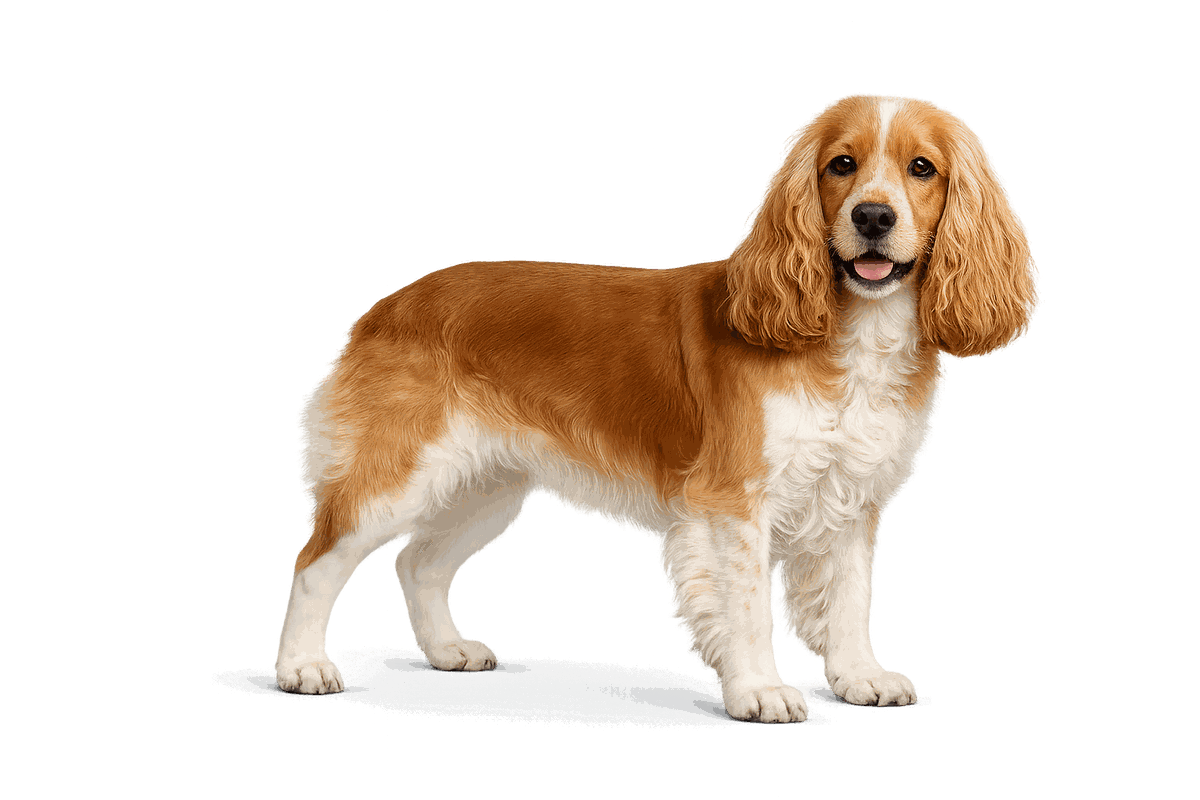
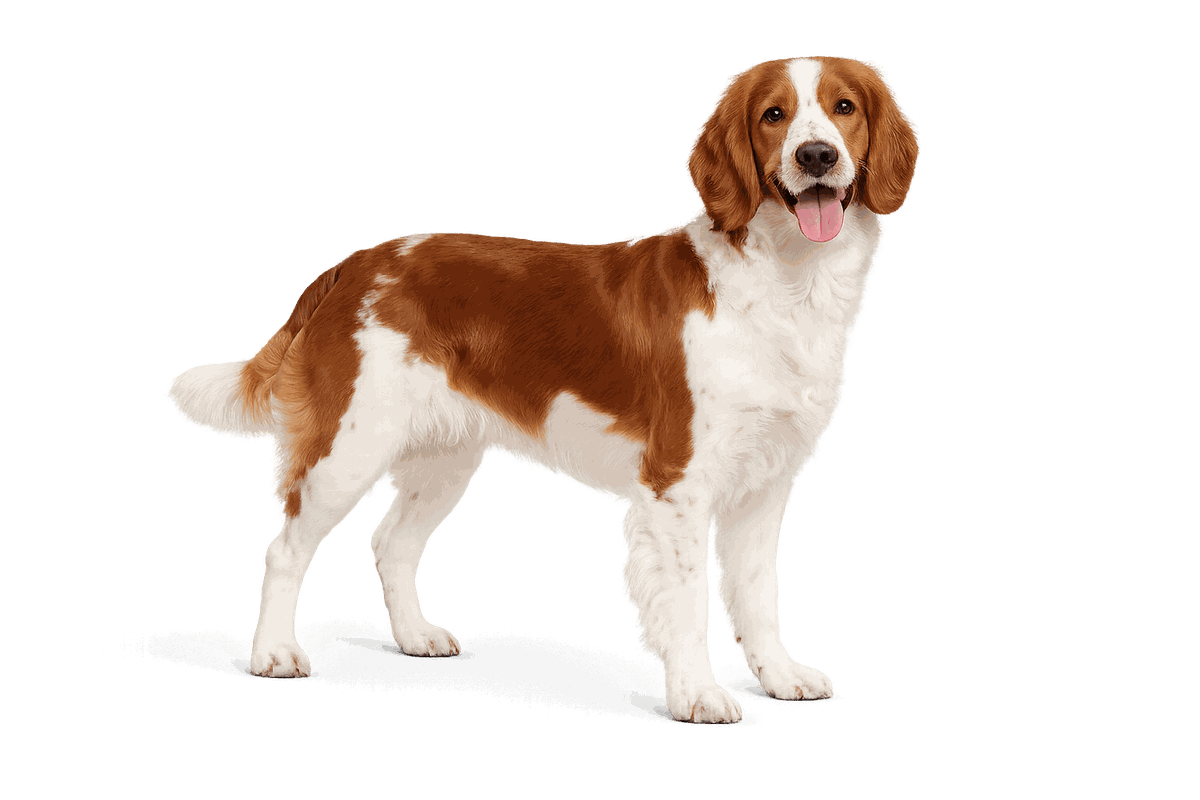
The breed is medium-sized, sturdy, and athletic, with a weather-resistant coat that has feathering on the ears, chest, legs, and underside. Field-bred and show-bred lines can look and behave somewhat different, so prospective owners should ask breeders about the kind of Springer they produce. A bench-bred dog may still need serious activity, while a field-bred Springer can be especially intense about hunting, running, and problem solving.
A good home for an English Springer Spaniel is one that wants a close, trainable dog and can provide daily movement, mental work, grooming, and ear care. The breed is often good with families when socialized and supervised, but young Springers can be bouncy around small children. Health planning should include responsible breeder screening for hips, elbows, eyes, and breed-relevant inherited disease.
This breed tends to suit homes looking for a friendly, eager, obedient companion, with daily rhythms shaped by high energy, moderate barking, and low drooling.
Coat type
Double
Coat length
Medium
Shedding
Moderate
Colors
Black and White, Liver and White, Blue Roan, Liver Roan, Black White and Tan, Liver White and Tan
Apartment life can work for an English Springer Spaniel only when exercise is planned every day and barking is managed. The dog needs outdoor outlets and training practice, not just indoor play.
Springers are not usually guard dogs, but they may bark at visitors, activity outside, or excitement during play. Reward quiet check-ins and teach a settle cue before barking becomes a daily habit.
Use cheerful, reward-based training with short sessions, real-life practice, and plenty of recall and impulse-control work. The breed often learns quickly, but excitement can override manners if practice is inconsistent.
Expect moderate shedding and regular work on the feathered coat. Brush several times a week, check ears often, trim nails, and keep the feet and ear fringes tidy.
Most healthy adult English Springer Spaniels need at least 60 to 90 minutes of daily activity, and field-bred lines may need more. Combine brisk walks, off-leash running in safe areas, retrieving games, scent work, and short training sessions so the dog has both physical and mental outlets.
Brush the feathered coat several times a week, paying close attention behind the ears, under the legs, and around the tail where mats form quickly. Check and dry the ears after swimming, rain, or heavy exercise because the long ears can trap moisture and debris.
English Springer Spaniels usually respond well to reward-based training because they are eager and people-oriented. Start early with recall, loose-leash walking, calm greetings, handling, and impulse control around birds, squirrels, food, and thrown toys.
Feed a measured diet for a medium, athletic dog and adjust portions to the dog's work level. Keep the waist visible and ribs easy to feel, because extra weight adds stress to joints and can make field exercise harder.
Energy level
High
Barking level
Moderate
Drooling level
Low
Watchdog ability
3/5
Guard dog ability
1/5
Climate tolerance
Common concerns to discuss with your vet and breeder.
This profile was researched from established breed and canine-care references. Breed tendencies describe typical patterns, not a guarantee for every individual dog.
Reviewed by the Dogs Index Editorial Team. For health or behavior concerns, consult a veterinarian or appropriately qualified professional.
Our Shop
Browse practical products for feeding, grooming, cleanup, enrichment, and smoother daily routines.