Apartment fit
A Lagotto can fit apartment life when exercise, scent work, grooming, and barking are managed consistently.
 Italy
Italy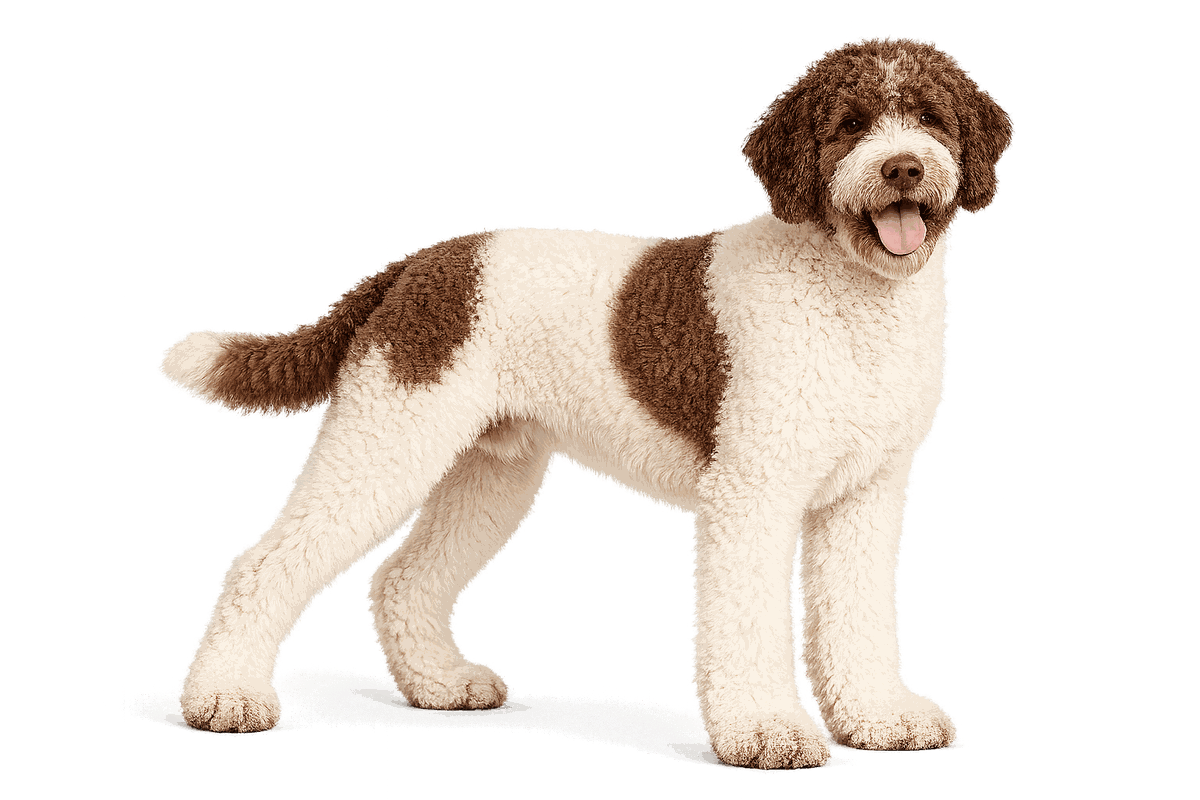
Weight
24-35 lb
Height
16.1-18.9 in
Lifespan
12-15 yrs
Coat
Curly Medium
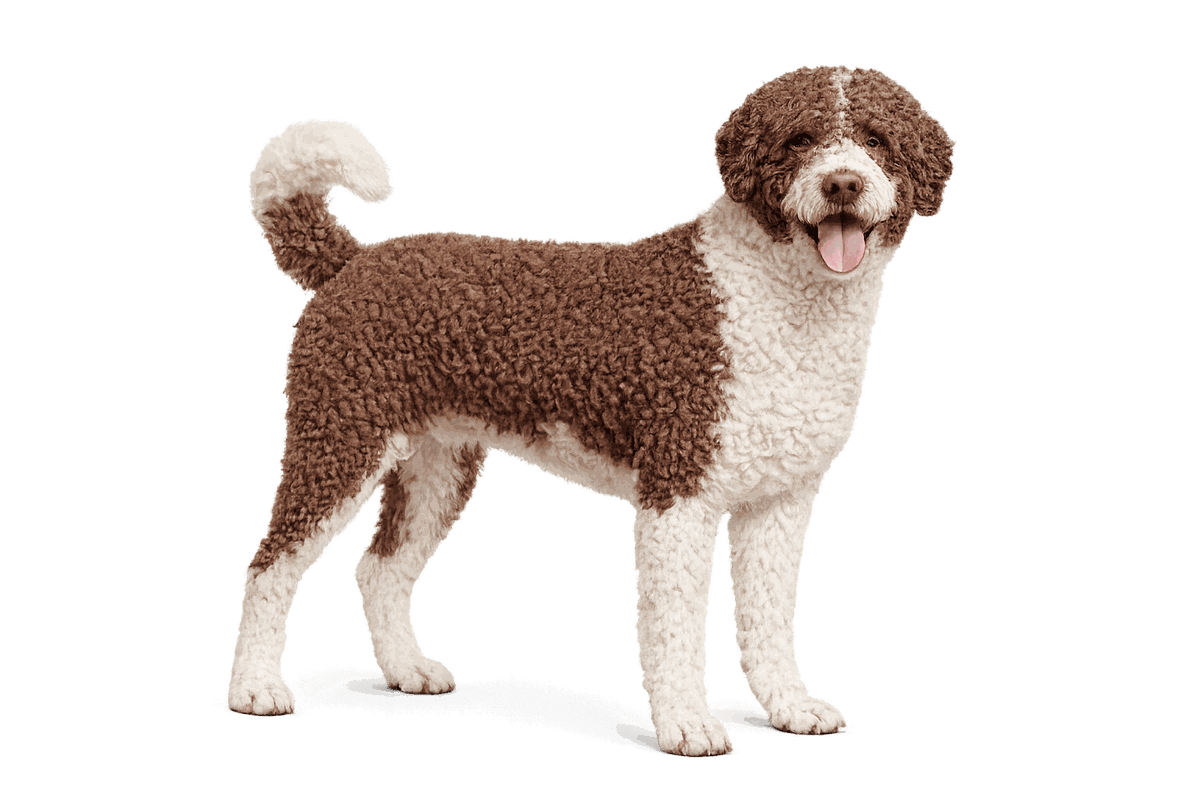
The Lagotto Romagnolo is an Italian water-dog-turned-truffle dog with a dense curly woolly coat, sharp nose, and affectionate, trainable temperament.
Official, native, and commonly used variants
Weight
24-35 lb
Height
16.1-18.9 in
Lifespan
12-15 yrs
Coat
Curly Medium
At A Glance
A quick read on energy, upkeep, and what day-to-day life with this breed usually feels like.
Energy
High
Barking
Moderate
Drooling
Low
Shedding
Low
Grooming
4/5
First-time owner
Yes
The Lagotto Romagnolo, or Romagna Water Dog, is an Italian breed originally used as a water retriever in marshland and later specialized for truffle hunting. FCI describes it as small to medium, rustic, strongly built, and covered in dense woolly curls. The breed is keen, affectionate, and highly scent-oriented.
This breed should not be treated as a simple moderate-shedding double coat. The Lagotto coat is curly, woolly, and low-shedding, but it grows and mats if neglected. Regular clipping, combing, ear care, and skin checks are essential. Its intelligence and nose also mean boredom can quickly turn into barking, digging, or obsessive searching.
The Lagotto can suit active families and prepared first-time owners, especially those interested in scent work. Responsible breeders should discuss hip and elbow evaluations, eye exams, juvenile epilepsy, storage disease, patellas, and coat/skin care.
This breed tends to suit homes looking for a affectionate, keen, trainable companion, with daily rhythms shaped by high energy, moderate barking, and low drooling.
Coat type
Curly
Coat length
Medium
Shedding
Low
Colors
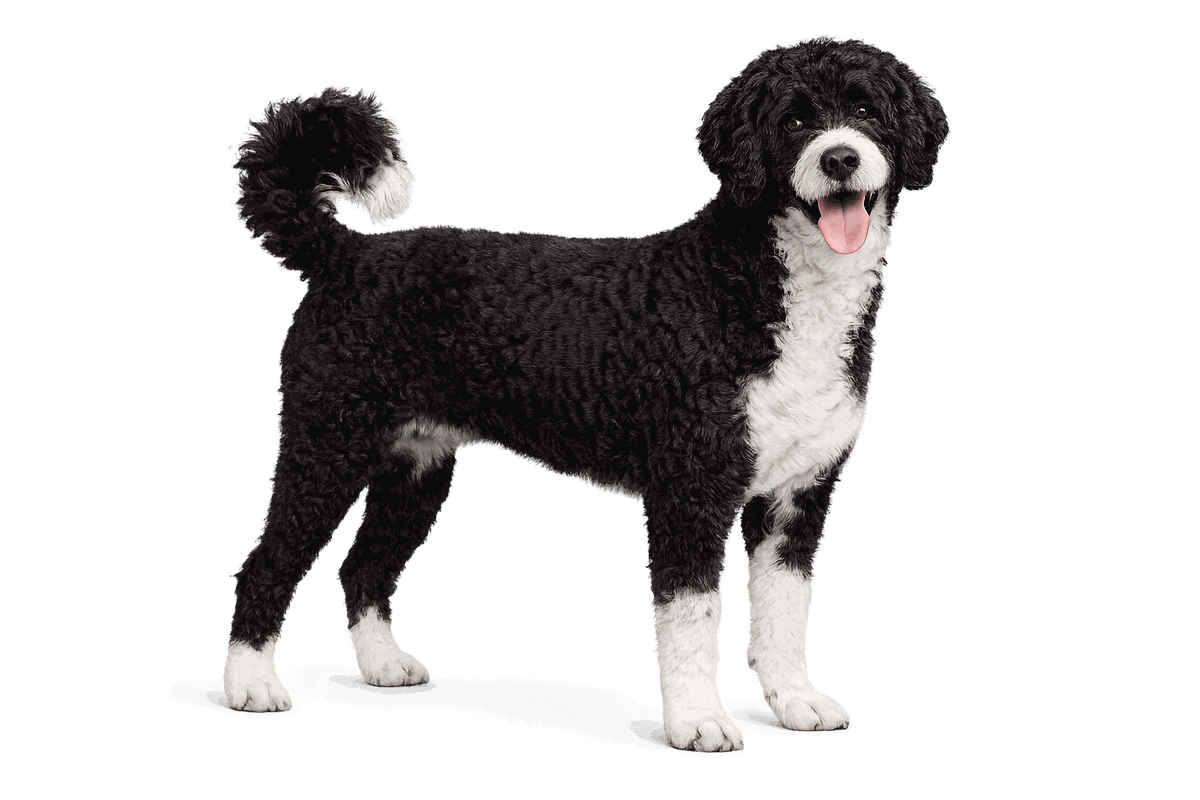
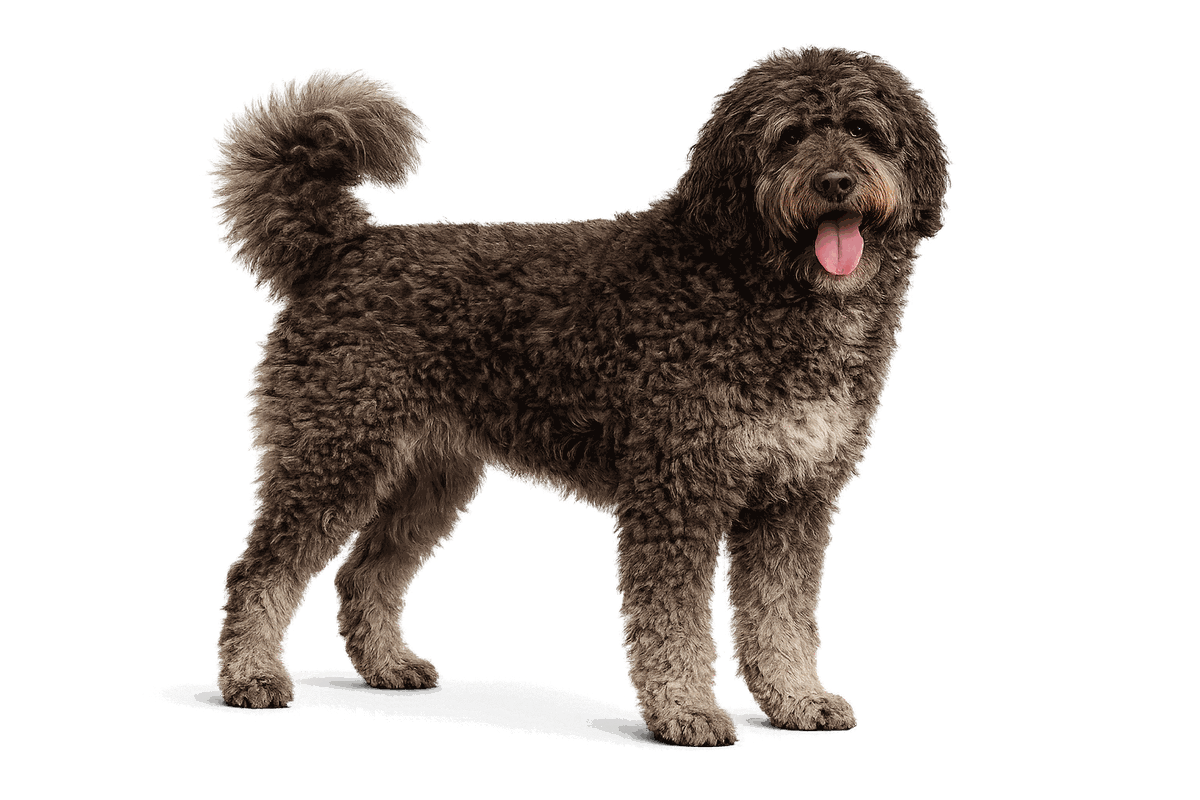
Off-white, White with brown patches, White with orange patches, Brown roan, Orange roan, Brown, Orange
A Lagotto can fit apartment life when exercise, scent work, grooming, and barking are managed consistently.
Alert barking is common enough to plan for. Give the breed search games and settling practice before barking becomes a hobby.
Use rewards and nose work. The breed often enjoys learning, but repetition without purpose can create frustration.
Low shedding does not mean low maintenance. Keep a regular trimming schedule and check ears and skin often.
Most Lagotti need 60 minutes or more of daily activity, including walks, play, training, and scent work. Nose games and truffle-style searching are especially useful outlets.
Keep the curly woolly coat trimmed and combed so it does not felt into mats. Check ears frequently, especially after water, dirt, or dense coat growth around the ear canal.
Use reward-based training with scent games, recall, calm greetings, and settle work. The breed is smart and responsive but can become noisy or obsessive if underworked.
Feed measured meals for a medium active dog and maintain lean condition. Discuss allergies, skin, digestion, or inherited disease risks with a veterinarian.
Energy level
High
Barking level
Moderate
Drooling level
Low
Watchdog ability
3/5
Guard dog ability
1/5
Climate tolerance
Common concerns to discuss with your vet and breeder.
This profile was researched from established breed and canine-care references. Breed tendencies describe typical patterns, not a guarantee for every individual dog.
Reviewed by the Dogs Index Editorial Team. For health or behavior concerns, consult a veterinarian or appropriately qualified professional.
Our Shop
Browse practical products for feeding, grooming, cleanup, enrichment, and smoother daily routines.