Apartment fit
Apartment life is difficult mainly because of barking and energy, not size. It can work only with strong exercise, enrichment, and neighbor-aware management.
 Sweden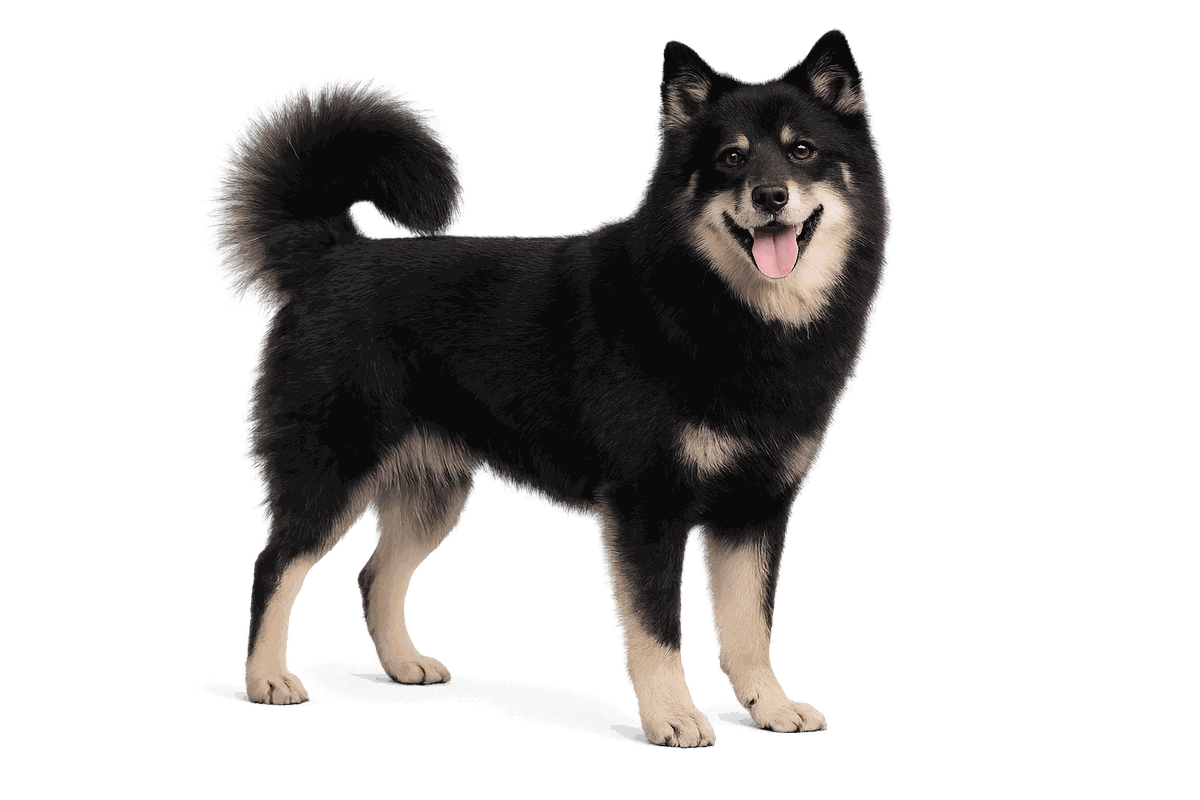
Weight
30-45 lb
Height
16-20 in
Lifespan
12-14 yrs
Coat
Double Medium
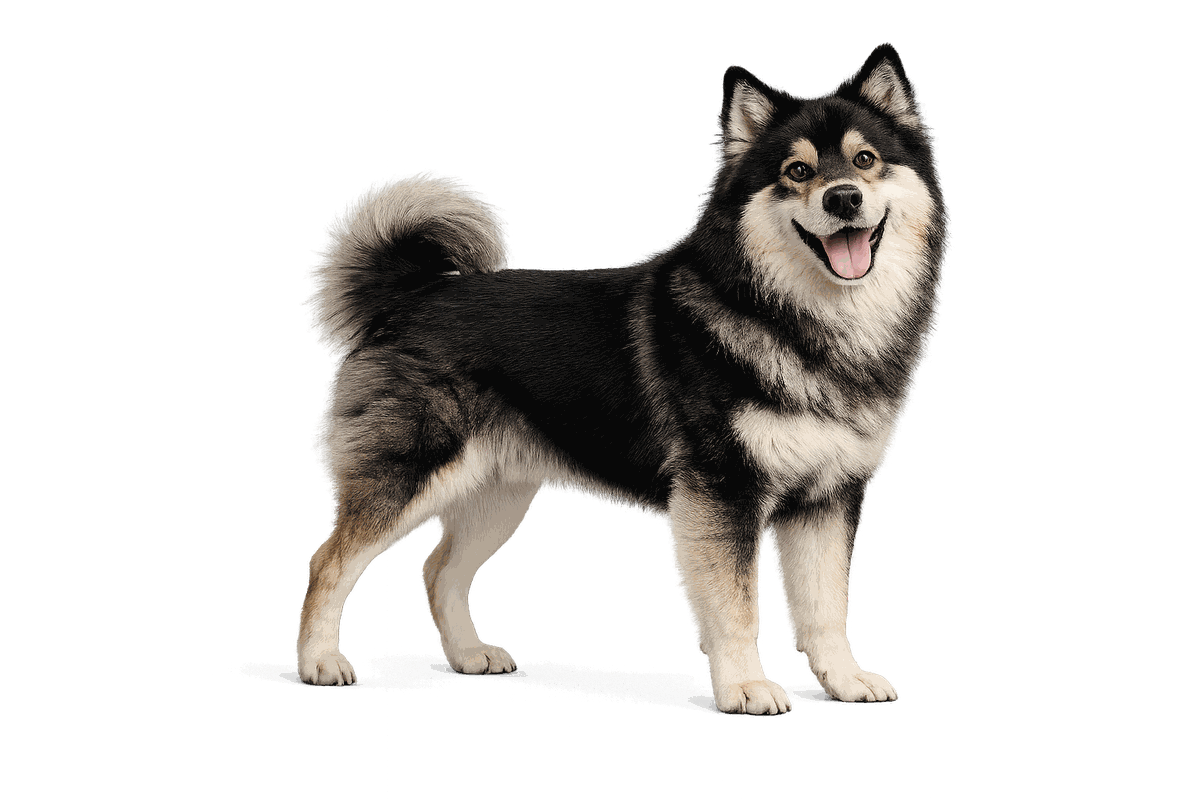
The Swedish Lapphund is a medium Nordic spitz from Sweden, historically associated with Sami reindeer work, with a black weather-resistant coat and lively voice.
Official, native, and commonly used variants
Weight
30-45 lb
Height
16-20 in
Lifespan
12-14 yrs
Coat
Double Medium
At A Glance
A quick read on energy, upkeep, and what day-to-day life with this breed usually feels like.
Energy
High
Barking
High
Drooling
Low
Shedding
Heavy
Grooming
4/5
First-time owner
No
The Swedish Lapphund is one of Sweden's native spitz breeds and is historically linked with Sami reindeer herding and northern farm life. It is a compact, alert, weather-resistant dog with the classic spitz combination of intelligence, independence, vocal expression, and strong family attachment.
The breed is medium sized with a profuse double coat, usually black or dark bear-brown, sometimes with small white markings. The coat protects well in cold weather but sheds heavily during seasonal coat changes. Regular brushing is necessary, especially when the undercoat releases.
Swedish Lapphunds are often cheerful, trainable, and affectionate, but they are not silent dogs. Their voice was useful in work, and modern owners should plan for barking management, enrichment, and clear routines. They suit active homes that enjoy outdoor life and positive training.
This breed tends to suit homes looking for a lively, alert, affectionate companion, with daily rhythms shaped by high energy, high barking, and low drooling.
Coat type
Double
Coat length
Medium
Shedding
Heavy
Colors
Black, Bear brown, Black with small white markings
Apartment life is difficult mainly because of barking and energy, not size. It can work only with strong exercise, enrichment, and neighbor-aware management.
The breed is naturally vocal. Teach useful alerting, quiet cues, and calm settling early, and avoid leaving the dog bored at windows or fences.
Use positive training with variety. Recall, leash manners, barking control, and settling should be practiced in real daily contexts.
Brush regularly and intensively during coat blow. The double coat protects the dog and should not be shaved as a shortcut.
Provide 60 to 90 minutes of daily activity through walks, hiking, training, herding-style games, or scent work. Mental work helps reduce nuisance barking.
Brush weekly and much more often during seasonal shedding. The dense undercoat should be kept free of packed dead hair, but the coat should not be shaved for heat.
Use reward-based training with clear rules for barking, recall, leash manners, and settling. Spitz independence means variety and consistency matter.
Feed measured meals for an active medium dog. Monitor weight carefully during lower-activity seasons and avoid overfeeding through heavy coat changes.
Energy level
High
Barking level
High
Drooling level
Low
Watchdog ability
4/5
Guard dog ability
1/5
Climate tolerance
Common concerns to discuss with your vet and breeder.
This profile was researched from established breed and canine-care references. Breed tendencies describe typical patterns, not a guarantee for every individual dog.
Reviewed by the Dogs Index Editorial Team. For health or behavior concerns, consult a veterinarian or appropriately qualified professional.
Our Shop
Browse practical products for feeding, grooming, cleanup, enrichment, and smoother daily routines.